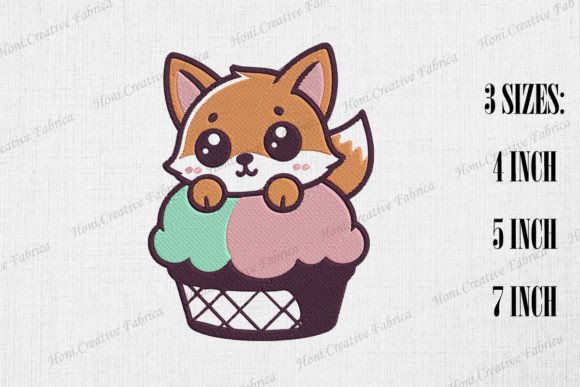
Cute Fox Loves Ice Cream: A Designer’s Review
As a designer who spends more time staring at stitch density charts and fabric swatches than actually sleeping, I approach every new embroidery file with a healthy dose of skepticism. The market is flooded with generic clip art converted poorly into digitized files. However, when I first pulled up the Cute Fox Loves Ice Cream design, I stopped scrolling. This isn’t just another clip-art fox; it feels like a genuine character study that translates well to thread.
I am evaluating this piece not just as a cute image, but as a viable asset for real-world projects. Whether you are an Etsy seller looking for your next bestseller, a crafter making a baby shower gift, or a small business owner branding your boutique, the difference between a "nice" design and a "sellable" product lies in execution. Here is my practical breakdown of how Cute Fox Loves Ice Cream performs under the needle.
First Impressions: Mood and Visual Personality
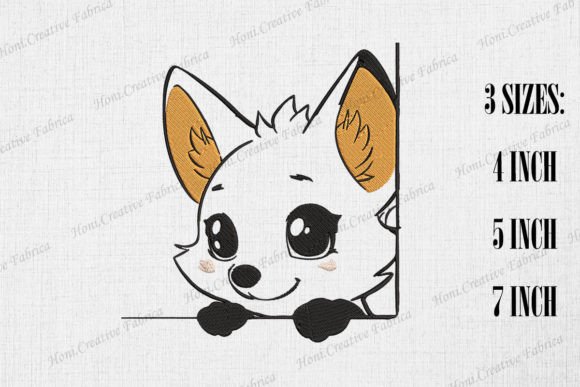
The immediate appeal of this machine embroidery design is its warmth. It captures a specific moment of joy—the universal love for ice cream—through the lens of a baby animal. In the world of Baby Animals, foxes have become incredibly popular due to their expressive features, and this design leverages that effectively. The layout is balanced, avoiding the cluttered look that often plagues designs trying to fit too many elements into a small space.
Visually, the design relies on clean lines and distinct shapes. For a handmade product to feel premium, the negative space must be respected. This design does exactly that. It doesn’t try to be hyper-realistic; instead, it leans into a stylized, illustrative aesthetic that works beautifully in embroidery. The mood is playful, sweet, and slightly nostalgic. It evokes summer days and childhood treats, which is a powerful emotional hook for buyers.
From a branding perspective, this design screams "approachable." It is perfect for businesses that want to appear friendly and family-oriented. If you are building a brand around comfort, nursery items, or wholesome gifts, this visual personality aligns perfectly with those values.
Real-World Application: Where Does It Shine?
I recently used this concept to prototype a line of custom gifts, and here is where Cute Fox Loves Ice Cream truly excels:
- Baby Apparel & Nursery Decor: This is the natural habitat for this design. Embroidering it on a onesie, a burp cloth, or a muslin blanket creates an instant heirloom quality. The soft theme pairs exceptionally well with pastel thread colors, creating a gentle aesthetic that parents adore.
- Kitchen & Home Textiles: Don’t overlook the utility aspect. This design fits surprisingly well on tea towels, aprons, and kitchen towels. The theme of food (ice cream) connects directly to the kitchen environment. Imagine a set of matching aprons for a newlywed couple—it adds a touch of humor and warmth that standard floral patterns lack.
- Custom Apparel & Tote Bags: For the Etsy seller or craft fair vendor, this design is versatile enough for t-shirts and sweatshirts. It works particularly well on light-colored cotton tees or canvas tote bags. The contrast between the bright threads and the neutral fabric makes the design pop without overwhelming the garment.
- Personalized Gifts: Because the design is thematic rather than text-heavy, it serves as a perfect backdrop for adding names or dates. You can embroider the fox, then add a name below it. This combination significantly increases the perceived value of the finished product, allowing you to charge a premium for personalized items.
Technical Performance and Stitch Clarity
A design might look great on screen, but how does it behave on fabric? When I tested this embroidery file, I paid close attention to the stitch types. The design appears to utilize a mix of satin stitch for outlines and key features, and fill stitch for larger color areas. This is a crucial distinction. Designs that rely too heavily on satin stitch can become stiff and bulky, while those with excessive fill stitch can lose detail if the hoop size is too small.
The transition between these stitches seems smooth, suggesting good digitizing practices. The stitch density looks appropriate for most home and commercial machines, meaning it shouldn’t cause needle breakage or fabric puckering if used correctly. However, always remember that no two fabrics react the same way. The clarity of the fox’s facial expression depends heavily on using the right thread colors and ensuring high contrast against your base fabric.
One area to watch is the smaller details. While the overall shape is clear, intricate lines may soften if stitched on textured fabrics like heavy denim or fleece. For crisp results, stick to smoother fabrics like cotton, jersey, or linen.
Where to Use It Carefully
While this design is versatile, it is not a magic bullet for every scenario. There are specific situations where you should exercise caution:
- Small Hoop Sizes: If you are working with a 4x4 inch hoop or smaller, ensure the design fits comfortably. Crowding the edges can lead to trimming errors or uneven tension.
- Stretchy or Thin Fabrics: Embroidery adds weight and stress to fabric. On thin materials like silk or very stretchy knits, the design can distort unless you use a high-quality water-soluble stabilizer or tear-away backing properly.
- Dense Stitch Areas: Avoid placing the heaviest parts of the design over seams, pockets, or curved surfaces like caps. These areas already have structural bulk, and adding dense embroidery can create uncomfortable lumps.
- Dark Fabrics: If you plan to embroider this on dark backgrounds, you will need a substantial underlay or a contrasting background patch. Otherwise, the lighter threads may get lost, and the design will lack definition.
Strategic Advice for Sellers and Makers
If you are planning to sell products featuring Cute Fox Loves Ice Cream, consider these practical steps to maximize your success and maintain professionalism:
- Test on Scrap Fabric First: Never go straight to your final product. Stitch the design on a scrap of the exact fabric you intend to use. Check for color bleeding, fabric distortion, and stitch clarity.
- Check Licensing Before Selling: This is non-negotiable. Ensure you have the proper commercial license to sell finished goods made from this digital embroidery file. Different designers have different terms regarding how many items you can sell or whether you can include it in print-on-demand services.
- Create High-Quality Mockups: When listing your item online, use realistic mockups. Show the design on a folded shirt, a hanging towel, or a baby wearing a onesie. This helps customers visualize the finished product and builds trust in your craftsmanship.
- Consider Color Variations: Experiment with different thread palettes. A classic red fox on white might be traditional, but a pastel pink fox on gray could appeal to modern nursery trends. Offering variations can help you stand out in a crowded market.
- Inspect Small Details: Zoom in on your digital preview. Are there any tiny, isolated stitches that might not catch the thread? If so, you may need to adjust the design or accept that those details won’t show up clearly.
Final Verdict
Cute Fox Loves Ice Cream is a solid, well-executed design that bridges the gap between whimsical charm and professional quality. It is not overly complex, which makes it accessible for beginners, yet detailed enough to satisfy experienced enthusiasts. Its versatility across categories—from baby embroidery to kitchen textiles—makes it a valuable addition to any designer’s library.
For the craft business owner, this design offers a low-risk, high-reward opportunity. It taps into popular themes (foxes, sweets, babies) without relying on fleeting trends. As long as you pay attention to fabric choice, stabilizer usage, and licensing agreements, this design has the potential to drive sales and delight customers. It is a reminder that sometimes, the simplest concepts, executed with care, make the strongest impact.