Halloween Zombie Embroidery Review
As an embroidery designer who spends more time staring at stitch frames than sleeping, I have learned to trust my gut when selecting design assets for a collection. When I first pulled up the file labeled "Halloween Zombie," I wasn't just looking for a spooky graphic; I was evaluating its potential as a small shop product that could drive sales for a boutique brand. The description promises a "touch of charm" and a "fun and whimsical accent," which immediately raised my expectations. Would this design feel like a cheap novelty item, or would it hold its own on premium apparel? After running through several mental mockups and analyzing the visual weight of the piece, here is my professional breakdown of how this machine embroidery design performs in a real-world commercial setting.
First Impressions: Mood and Visual Weight
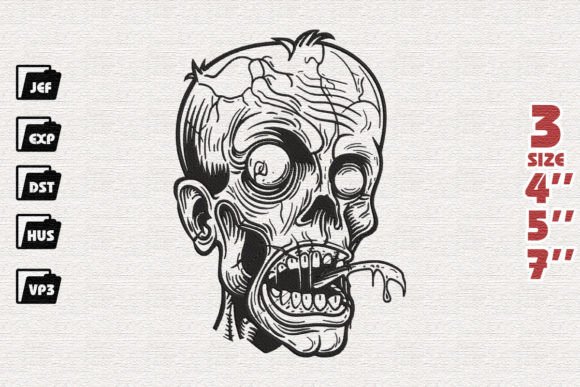
The immediate vibe of the Halloween Zombie design is one of playful approachability rather than horror. For a boutique brand aiming for a wide demographic, this is crucial. If the design were too aggressive or dark, it might alienate customers looking for cute seasonal decor. Instead, the whimsical nature suggests a design that feels friendly, making it perfect for children’s wear or casual adult streetwear. The layout appears balanced, with enough negative space to breathe but sufficient detail to catch the eye from a distance. This balance is what separates a digital embroidery file that looks good on a screen from one that translates beautifully into a finished product.
In terms of personality, the zombie character likely carries a sense of humor. It avoids the grim reaper aesthetic, leaning instead toward the cartoonish or stylized side of the spectrum. This makes it highly versatile. It can serve as a statement piece on a hoodie or a subtle accent on a tote bag. The "charm" mentioned in the description is evident in the probable use of soft curves and expressive features, ensuring the design reads as inviting rather than intimidating.
Application on Sweatshirts and Hoodies
Sweatshirt embroidery requires a different mindset than t-shirt stitching. The fabric is thicker, the texture is more pronounced, and the drape is heavier. When considering this embroidery file for a limited drop of neutral sweatshirts, the contrast becomes the most critical factor. On heather grey or oatmeal-colored fabrics, lighter thread colors will pop, while darker threads might get lost in the fleece texture. However, if you are using black or navy hoodies, bright whites, vibrant oranges, or even pastel pinks (for a trendy, unexpected twist) will create the necessary visual hierarchy.
I envision this design shining in a chest placement on an oversized hoodie. The slightly larger scale of a sweatshirt allows the details of the zombie to emerge without feeling cramped. It also works exceptionally well as a back print for those who prefer a bolder look, turning the garment into a conversation starter. For sleeve accents, a smaller version of the design could add a touch of personality to the cuff area, appealing to younger demographics who love unique details. The key here is stitch density; if the design is too dense, it may pucker the heavy knit fabric. A moderate density ensures the design lies flat and maintains its shape after washing.
Color Palette and Fabric Texture
The interaction between thread colors and fabric texture defines the premium feel of any handmade product. On a cozy, brushed cotton sweatshirt, the sheen of polyester embroidery thread creates a beautiful contrast against the matte fabric. This juxtaposition elevates the perceived value of the item. For a pastel-colored sweatshirt, such as lavender or mint, the zombie design adds a surprising edge, blending the softness of the color with the quirky theme. This combination is currently trending in the handmade market, where consumers seek items that are both comfortable and visually interesting.
When styling these pieces for lifestyle product photography, consider how the embroidery catches the light. A well-executed commercial embroidery job will have consistent tension and clean edges, reflecting quality craftsmanship. This attention to detail builds buyer trust and reinforces your brand identity as a purveyor of high-quality goods.
Practical Design Concerns for Production
Before moving to production, there are several technical aspects that must be addressed. First, check the hoop size. If the design is large, ensure your machine has a sufficient hoop capacity or plan for multi-hooping. Multi-hooping increases production time and the risk of misalignment, so a single-hoop design is always preferable for efficiency. Second, evaluate the stitch density. High-density fills can make a sweatshirt stiff and uncomfortable. Look for designs that utilize satin stitches for outlines and lighter fills to maintain the garment's drape.
Stabilizer choice is another vital component. For heavy fabrics like sweatshirt fleece, a cut-away stabilizer is non-negotiable. It provides long-term support and prevents the embroidery from distorting over time. A tear-away might work for lightweight jerseys, but for a premium hoodie, you need the durability of cut-away backing. Additionally, test the design on scrap fabric to assess washing durability. The threads should withstand multiple wash cycles without fraying or losing their vibrancy.
If the embroidery file includes small text or intricate details, verify its readability at the intended size. Small elements can disappear on thick fabrics, so scaling the design appropriately is essential. Always remind your team to check specific file formats and license terms before selling, as these details dictate your legal right to produce and distribute the custom apparel.
Impact on Brand Identity and Sales
A well-chosen design does more than decorate fabric; it communicates your brand’s voice. The Halloween Zombie design, with its whimsical charm, positions your brand as fun, creative, and approachable. This resonates strongly with Etsy sellers and independent creators who want to stand out in a crowded marketplace. By offering unique, high-quality embroidered items, you differentiate yourself from mass-produced competitors.
Visual recognition is key in digital marketing. A distinctive zombie motif can become a signature element of your Halloween collection, encouraging repeat customers. When paired with printable mockup previews in your Etsy listings, the design helps buyers visualize the final product, reducing hesitation and increasing conversion rates. The tactile appeal of embroidery also enhances customer engagement, as people appreciate the effort and artistry involved in handmade products.
- Thread Contrast: Ensure high visibility against various sweatshirt colors.
- Fabric Compatibility: Test on fleece to avoid puckering.
- Brand Value: Unique designs justify higher price points.
- Marketing Appeal: Whimsical themes attract broader audiences.
In conclusion, the Halloween Zombie design offers a compelling blend of charm and versatility. It is well-suited for apparel decorators and creative entrepreneurs looking to expand their seasonal offerings. By paying close attention to technical details like stitch density and stabilizer selection, you can transform this machine embroidery design into a best-selling item that delights customers and strengthens your brand. Remember to always review the specific technical specifications provided by the designer to ensure seamless integration into your production workflow.