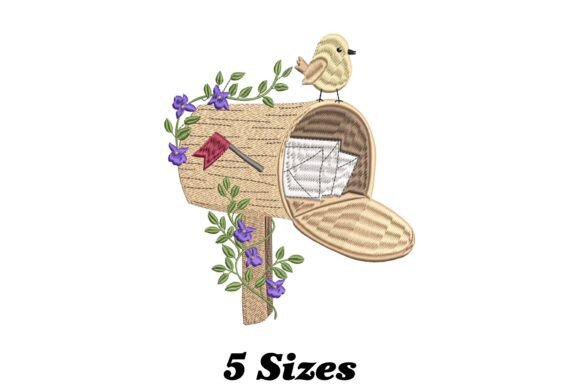
Letterbox Embroidery Design Review
As an embroidery designer who spends half my life at craft fairs and the other half digitizing files, I have learned that not every design is created equal. Some are technically impressive but visually forgettable; others are simple but scream "buy me." Today, I am reviewing a design titled Letterbox. The description promises a "charming update" with a "fun and quirky flair," suggesting it is meant to embellish t-shirts, towels, or home decor. But does it actually work as a viable craft fair product? Can it stand out in a sea of handmade goods on a crowded table? Let’s break down the potential of this machine embroidery design from a production and sales perspective.
First Impressions: Quirky Charm Meets Marketability
The title Letterbox immediately evokes imagery of vintage postcards, handwritten notes, and personal connection. In the context of Valentine S Day and general gifting, this is a strong emotional hook. Customers at a booth do not just buy fabric; they buy the feeling of receiving a thoughtful letter. If the design captures that nostalgic, tactile warmth, it has immediate appeal. However, the description mentions "quirky flair," which suggests the design might lean toward modern illustration rather than traditional elegance. For an Etsy seller or boutique maker, this distinction is critical. A quirky design appeals to younger demographics and gift-givers looking for something unique, whereas a classic design might appeal to those seeking farmhouse aesthetics. We need to determine if the visual weight of the embroidery file is bold enough to catch the eye from three feet away—a common distance for foot traffic at weekend markets.
Product Versatility: Where Does Letterbox Shine?
One of the biggest challenges for small shop owners is inventory management. You want designs that can be applied across multiple categories without losing their impact. Here is how Letterbox likely performs on key handmade products:
- Tote Bags: This is perhaps the strongest candidate. A tote bag design featuring a letterbox motif works beautifully on canvas or cotton duck. It serves as a focal point on the front panel or as a repeated pattern along the side seams. The sturdy fabric handles various stitch densities well, making it ideal for daily use.
- Tea Towels: As suggested in the description, kitchen linens are a staple. Tea towel embroidery allows for smaller, more delicate executions of the design. If the lettering is clear and the graphic elements are distinct, this becomes an impulse-buy item priced lower than apparel but still profitable.
- Aprons: An apron embroidery piece placed on the bib or pocket area adds a professional yet personal touch. For home bakers or cooks, a letterbox motif implies care and homemade quality, aligning perfectly with the artisan brand.
- Embellished Patches: If the design is compact, it can be digitized as a detachable embroidered patch. These are incredibly popular among crafters who customize denim jackets or backpacks. They require less hoop time and reduce material waste.
- Caps and Headwear: Curved surfaces present a challenge. If the hoop size of the design is too large, it may distort on a baseball cap. However, a smaller, centered application on a structured cap can look very premium.
Photography and Online Listings
In the digital age, your physical product must also translate well to a screen. When creating a printable mockup for your online store, consider how the thread colors pop against different backgrounds. A letterbox design often benefits from high-contrast threads—think cream thread on navy blue, or rust red on white linen. Ensure your design assets showcase the texture of the stitches. Close-up shots that highlight the sheen of the polyester or rayon threads help justify a higher price point by demonstrating quality craftsmanship.
Production Practicalities: The Designer’s Checklist
Before committing to batch production for a busy season, you must evaluate the technical aspects of the digital embroidery file. Here are the critical checks to ensure your finished product meets professional standards.
Stitch Density and Detail
The most common failure point in machine embroidery is over-stitching or under-stitching. Examine the stitch density closely. Areas with tiny details, such as the latch of the letterbox or small text elements, may become muddy if the density is too high. Conversely, if the design relies on negative space, ensure there is enough fill to prevent the base fabric from showing through excessively. Test the design on scrap fabric that matches the texture of your final product. Fabric texture, especially on terrycloth towels or nubby linen, can obscure fine details. If the design loses clarity on the test swatch, it will disappear entirely on the finished item.
Stabilizer Selection
No matter how good the digitization is, the wrong stabilizer will ruin the result. For lightweight fabrics like t-shirt material, a cut-away stabilizer is non-negotiable to prevent puckering. For woven cottons used in tote bags, a tear-away may suffice, but a wash-away backing can provide extra support during stitching. Always match your stabilizer choice to the fabric texture and the intended use of the garment. If the item will be washed frequently, ensure the stabilizer residue is completely removed to maintain softness.
Thread Contrast and Color Palette
Lighting plays a huge role in how embroidery is perceived. Dark fabrics require lighter, reflective threads to make the design visible. If the Letterbox design features thin lines, using black thread on black fabric is a risky move unless the line weight is substantial. Experiment with metallic or variegated threads sparingly to add depth, but remember that simplicity often sells better in mass production. Stick to a consistent color palette that aligns with your brand identity.
Selling Strategy: From Booth to Browser
For the small shop product owner, the goal is efficiency. A design that is easy to hoop, quick to stitch, and versatile in application maximizes your profit margin. If Letterbox requires excessive trimming, complex re-hooping, or specialized threads, it may not be worth the labor cost. Look for designs that allow for rapid production runs.
When displaying at a craft fair, group your Letterbox items together. Create a vignette: hang the tote bags, drape the aprons, and stack the tea towels. Use signage that highlights the "quirky" and "charming" aspects mentioned in the description. Engage customers by explaining the story behind the design—perhaps referencing the nostalgia of writing letters. This narrative transforms a simple commodity into a meaningful purchase.
Commercial Licensing and Legalities
Finally, before you sell any commercial embroidery items, verify the licensing terms. Most digital patterns come with a personal use license only. To sell finished goods, you typically need a commercial license. Check the provider’s terms carefully. Do not assume that purchasing the file grants you the right to resell the output. Protect your business by ensuring you have the proper permissions to operate legally.
Final Verdict
The Letterbox design holds significant promise for the savvy embroiderer. Its thematic relevance to communication and gifting makes it a strong contender for Valentine S Day collections and year-round home decor. By carefully testing the stitch density, selecting appropriate stabilizer types, and presenting the items in a cohesive display, you can turn this simple concept into a best-selling craft fair product. Remember, the success of your handmade product lies not just in the design itself, but in the execution and the story you tell around it. Test thoroughly, produce consistently, and watch your brand consistency grow.