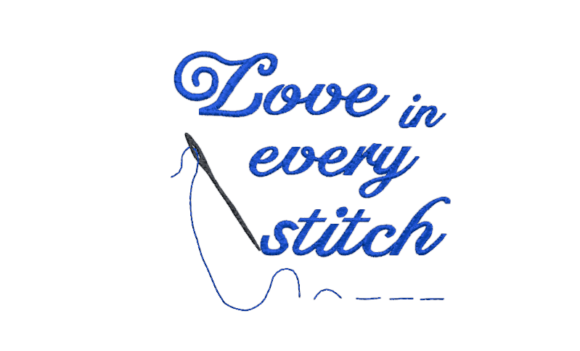
Love in Every Stitch Quilt Label Review
As an embroidery designer who spends countless hours digitizing patterns and testing stitch quality, I approach every new design file with a critical eye. My goal is never just to create something that looks good on a screen, but to ensure it translates flawlessly into a tangible product for small business owners. Today, I am reviewing the Love in Every Stitch Quilt Label, a digital asset marketed toward sewists and crafters. While its primary description suggests it is intended to finish a quilt with a sweet reminder of care, my professional lens focuses on its potential as a versatile tool for branded merchandise, embroidered patches, and small business product labels.
First Impressions: Visual Personality and Brand Fit
The title, Love in Every Stitch Quilt Label, immediately conveys warmth, intentionality, and craftsmanship. In the world of handmade goods and boutique branding, this emotional resonance is valuable. The design likely leans towards a classic or rustic aesthetic, fitting seamlessly into brands that pride themselves on artisanal quality. For a small café, a local bakery, or a handmade shop selling candles and soaps, this label offers a way to communicate "made with care" without saying a word.
However, from a commercial standpoint, we must look beyond the sentiment. Does the design feel premium? Is it bold enough to be recognized at a glance? A successful embroidered patch or brand mark needs to balance delicacy with durability. This design appears to strike a friendly, elegant tone, making it ideal for businesses that want to appear approachable yet professional. It avoids being overly playful or chaotic, which helps maintain visual consistency across various design assets.
Real-World Business Applications
While labeled as a quilt tag, the versatility of a machine embroidery design like this extends far beyond bedding. Small business owners should consider how this embroidery file can function as a subtle accent in their product line. Here is how I see it performing in actual commercial scenarios:
- Branded Patches and Logos: The compact nature of a label design makes it perfect for creating custom patches. These can be ironed or sewn onto denim jackets, tote bags, or hats, serving as a subtle brand identifier rather than a loud logo.
- Apron Embroidery: For cafes, bakeries, or florists, this design works beautifully on the chest pocket or lower hem of work aprons. It reinforces the handmade ethos of the business while remaining unobtrusive during service.
- Tote Bag Design: A small, centered placement on a canvas tote bag adds a touch of sophistication. It transforms a generic promotional item into a cherished keepsake, increasing the likelihood that customers will carry it around, thereby boosting brand identity visibility.
- Cap Embroidery: When scaled correctly, this design can serve as a delicate detail on the front or side of caps. It appeals to customers who prefer understated branding over large, blocky logos.
- Product Packaging Accents: Imagine this label stitched onto the inside flap of a gift box or attached to a hangtag for clothing items. It elevates the unboxing experience, signaling to the buyer that they are receiving a handmade product crafted with attention to detail.
Impact on Customer Trust and Engagement
In the competitive landscape of Etsy and online marketplaces, presentation is everything. Using high-quality commercial embroidery on your merchandise signals professionalism. When a customer sees a neat, well-executed label like Love in Every Stitch Quilt Label, it subconsciously validates the value of the entire product. It suggests that if the maker cares about the label, they likely care about the main product too. This builds customer trust and enhances product value, allowing you to justify premium pricing for your custom apparel or accessories.
Technical Considerations and Placement Warnings
Not every design fits every application. As a designer, I urge you to evaluate the technical limitations of this file before committing to bulk production. The following areas require careful scrutiny:
- Small Patch Sizes: If you plan to reduce this design to fit a tiny patch (under 2 inches), test it rigorously. Fine details may merge together, losing definition. Ensure the stitch density remains legible at the reduced scale.
- Curved Surfaces: Placing a flat label design on curved items like cap fronts or rounded bottle sleeves can cause distortion. You may need to adjust the digitization or choose a flatter surface for optimal results.
- Fabric Texture and Dark Uniforms: On highly textured fabrics, such as heavy wool or rough linen, the outline of the design might get lost. Similarly, on dark uniforms, thread color contrast becomes critical. If the design relies on thin lines, ensure you have chosen a thread color that pops against the background fabric.
- High Wash Frequency: Items like aprons and work shirts undergo frequent washing. Check the stability of the stitches. Designs with excessive loose ends or high density can pucker after multiple wash cycles. Always use a proper stabilizer appropriate for the fabric weight to prevent shifting and distortion.
Practical Designer Notes for Production
Before adding this digital embroidery file to your inventory, follow these steps to ensure a flawless finished product:
- Test in Black and White: Convert the design to monochrome to check contrast and spacing. This reveals if the design elements are too close together or if there are gaps that won’t hold up in real life.
- Hoop Size Confirmation: Verify the required hoop size. If the design is larger than your standard hoop, you may need to reposition it or use a multi-hooping technique, which increases production time.
- Thread Color Contrast: Select thread colors that complement your brand palette but also stand out against the target fabric. Poor contrast is the most common reason for failed embroidery projects.
- Create a Printable Mockup: Before cutting fabric, generate a printable mockup to show clients or stakeholders. This allows for approval on placement and scale without wasting materials.
- Commercial Licensing: Crucially, confirm the commercial licensing terms. Just because you purchased the file does not automatically grant you the right to sell products made with it. Ensure you have the necessary rights to use this design for small business merch and resale.
Final Verdict
The Love in Every Stitch Quilt Label is more than just a sewing accessory; it is a strategic asset for any brand looking to infuse its products with a sense of care and authenticity. Its classic, warm aesthetic makes it suitable for a wide range of industries, from fashion to food service. By understanding its technical requirements and applying it thoughtfully to patches, apparel, and packaging, small business owners can significantly enhance their brand identity and customer engagement. Just remember to test thoroughly, respect the limits of stitch density, and always verify your licensing rights. When executed correctly, this design can turn a simple item into a memorable piece of handmade product storytelling.