Baby Bunny Boy with Teddy Bear Review
As a designer who spends more time looking at stitch lines than sleeping, I approach every new embroidery file with a mix of hope and skepticism. We all know the feeling: you find a cute design online, it looks perfect in the thumbnail, but once it hits the hoop, the details get lost or the fabric puckers. That is why I treat this review not as a sales pitch, but as a practical field test for Baby Bunny Boy with Teddy Bear. This machine embroidery design is categorized under Baby Animals, and while that sounds simple, simplicity in embroidery is actually quite difficult to execute well.
The First Impression: Mood and Layout
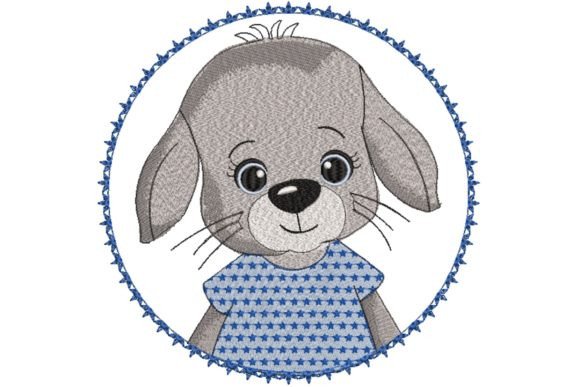
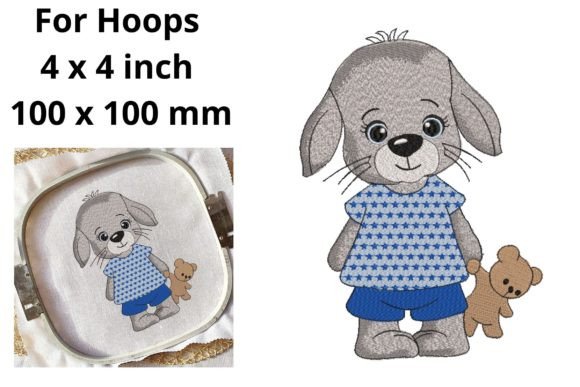
When I first loaded the digital preview of Baby Bunny Boy with Teddy Bear, my immediate reaction was about its balance. In the world of baby-themed designs, there is often a trap of going too cluttered. Designers try to pack in every possible "cute" element, resulting in a chaotic mess that doesn't read clearly when stitched. Here, the layout feels intentional. The central figure of the bunny holding the teddy bear creates a natural focal point that is easy for the eye to follow.
The visual personality of this design leans heavily into comfort and nostalgia. It isn’t trying to be edgy or modern; it is aiming for timeless warmth. For an Etsy seller or a boutique owner, this translates directly to marketability. Parents buying gifts for newborns are looking for items that feel safe, soft, and classic. This design delivers on that emotional promise. The shapes are rounded and friendly, which suggests that the digitizing software likely used generous curves rather than sharp, aggressive angles. This is crucial because rounded shapes tend to hold up better during the stitching process, especially on stretchy fabrics like jersey knit.
Real-World Application: Where Does It Fit?
I always ask myself one question before buying or using a design: "What am I making?" If the answer isn't clear, the design might be too generic. With Baby Bunny Boy with Teddy Bear, the use cases are surprisingly versatile, provided you choose the right substrate.
Imagine preparing a custom embroidered tote bag for a baby shower gift. The sturdy canvas of a tote provides a stable background where the details of the teddy bear’s face and the bunny’s ears can shine. The design works beautifully here because the fabric doesn’t move, allowing the satin stitches to lay flat and crisp. Similarly, for a sweatshirt embroidery project aimed at older toddlers or young children, this design offers a nice contrast against the texture of fleece or cotton blends. It adds a touch of whimsy without overwhelming the garment.
However, the most compelling use case I see is for personalized gifts and nursery decor. Picture a pillow cover made from organic cotton muslin. The softness of the fabric complements the gentle theme of the bunny and bear. When you add personalization—like a child’s name stitched below the main image—the entire piece feels bespoke. This is exactly the kind of item that commands a higher price point in a craft business because it feels thoughtfully assembled rather than mass-produced. It also fits perfectly into holiday embroidery collections, particularly for Easter or spring-themed markets, though its neutral enough charm to work year-round as a general baby gift.
Technical Performance and Stitch Clarity
From a technical standpoint, the success of any embroidery file relies on stitch density and thread color choice. While I cannot verify the exact stitch count without running the file on my specific machine, the visual cues suggest a balanced approach. The fill stitch areas appear dense enough to cover the backing material completely, which prevents the dreaded "show-through" effect where the white stabilizer peeks through the thread. This is vital for dark fabric backgrounds, where poor coverage can make a design look cheap and unfinished.
The detail level is another strong point. Small details, such as the eyes of the bunny and the paws of the teddy bear, need to be distinct. If these elements are too small, they will merge into a single blob of thread after stitching. In this design, the separation between features seems adequate, suggesting that the digitizer understood the limitations of standard home embroidery machines. However, if you plan to use this on an embroidered patch that will be sewn onto a cap, you must ensure your hoop size allows for the full resolution of those tiny details. On curved surfaces like caps, tension issues can sometimes flatten out fine details, so a test run is non-negotiable.
Fabric and Stabilizer Considerations
Not all fabrics play nice with every design. For Baby Bunny Boy with Teddy Bear, I recommend avoiding highly textured fabrics like heavy bouclé or loose-weave linen unless you are experienced with stabilization techniques. The uneven surface can cause needle deflection, leading to misaligned stitches. Thin fabrics, such as silk or lightweight rayon, require extra care. Without a proper cut-away stabilizer, the weight of the thread could distort the fabric, ruining the drape of a delicate baby onesie.
Stretchy fabrics are a common pitfall. If you are embroidering on a t-shirt or a baby bodysuit made of jersey, the design must have sufficient stability built into its structure. Satin stitch borders help lock the edges down, preventing shifting. If the design lacks these anchoring elements, the final product may look wavy or distorted. Always check whether the design includes adequate underlay stitches to stabilize the fabric before the top layers are applied.
Strategic Advice for Sellers and Makers
If you are an Etsy seller or a small shop product creator, how you present this design matters as much as the design itself. Before listing Baby Bunny Boy with Teddy Bear as part of your design assets or finished goods, take a moment to inspect the file in black and white mockups. This helps you evaluate the contrast and shape recognition independent of color. Sometimes, colors that look harmonious on screen can clash in reality, or vice versa.
Thread color selection is equally important. Since the design features a bunny and a bear, traditional pastel tones like soft blues, creams, and light grays will enhance the baby-friendly vibe. However, don’t be afraid to experiment with slightly darker, richer threads for a more gender-neutral or modern aesthetic. Just remember to test these combinations on scrap fabric first. Lighting in your studio or home workspace can drastically affect how you perceive thread colors, so viewing them in natural daylight is always best practice.
For those selling digital embroidery files, clarity in your listing is key. Mention that this machine embroidery design comes with multiple embroidery file formats, as this increases its utility for customers with different machines. Be transparent about the recommended hoop size and fabric types. This builds trust with your buyers and reduces returns or negative reviews due to user error. Also, confirm licensing terms carefully. Ensure you have the right to sell finished products made with this design, or that you are providing the correct commercial license to your clients.
Final Verdict
Baby Bunny Boy with Teddy Bear is a solid, well-composed design that understands its audience. It avoids over-complication and focuses on delivering a clear, heartwarming image that translates well to various handmade products. Whether you are creating custom apparel for a local boutique, assembling gift baskets for new parents, or expanding your digital library with reliable design assets, this file earns its place in your collection.
The key to success with this design lies in preparation. Test it thoroughly, pair it with high-quality threads and appropriate stabilizers, and present it in a way that highlights its charm. When executed correctly, the finished product will not only look professional but will also evoke the same sense of joy and comfort that the design intends. For any maker focused on quality and customer satisfaction, this is a worthwhile addition to your repertoire.