Cute Owl in a Coffee Cup: A Designer’s Review
As an embroidery designer who spends half my life tweaking stitch angles and the other half explaining to clients why their logo looks muddy on dark fabric, I approach every new machine embroidery design with a mix of excitement and skepticism. The market is flooded with generic clip-art styles, so finding something that balances aesthetic charm with technical viability is rare. That is why I decided to put the Cute Owl in a Coffee Cup design through its paces. This isn’t just about whether it looks cute on a screen; it is about how it behaves under the needle, how it translates to a finished product, and whether it has the commercial viability for your craft business or personal stash.
First Impressions and Visual Personality
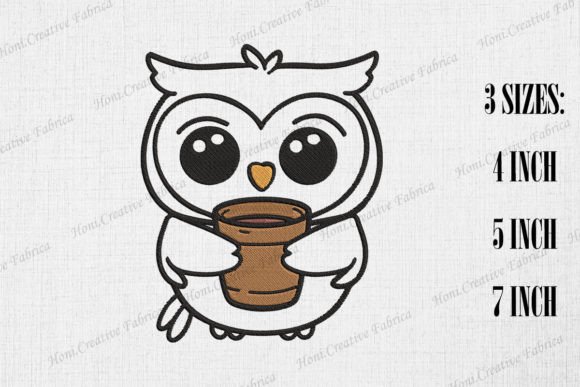
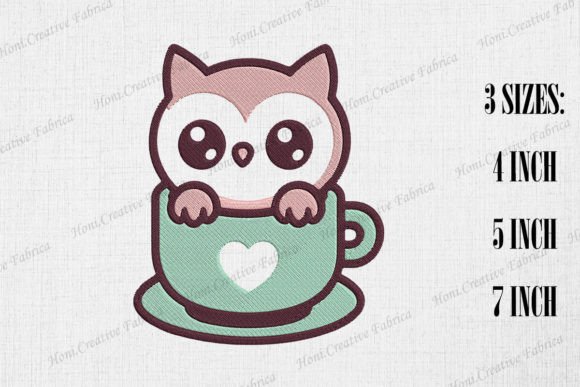
The moment you load the embroidery file, the design communicates a clear mood: cozy, whimsical, and inviting. The central subject—a stylized owl nestled inside a coffee cup—creates an immediate focal point. From a layout perspective, the composition is well-balanced. The roundness of the cup mirrors the roundness of the owl’s body, creating a harmonious visual loop that is pleasing to the eye. This is crucial because it means the design will not look disjointed when stitched onto various substrates.
The character design itself feels modern yet timeless. It avoids the overly complex details that often lead to stitching errors on smaller projects. Instead, it relies on clean shapes and expressive features. For a small business owner, this is a win. Designs that are too intricate can become "muddy" if the operator uses low-quality thread or skips proper stabilizer techniques. This design strikes a sweet spot: detailed enough to show personality, but simple enough to reproduce consistently across dozens of units. It fits perfectly into the broader category of Birds within Embroidery, offering a fresh twist on a classic motif by pairing it with the universally loved coffee culture theme.
Real-World Application: Where This Design Shines
I recently used this design concept as a benchmark for several potential products, and here is where it truly excels. First, let’s talk about custom apparel. The Cute Owl in a Coffee Cup is ideal for chest-area placement on sweatshirts and hoodies. Imagine a heather grey crewneck with this design embroidered in warm browns, creams, and soft greys. It evokes a morning routine vibe that resonates deeply with buyers. It works equally well on t-shirts, particularly for spring and summer collections where lighter fabrics are preferred.
For the nursery and baby market, this design is gold. Embroidering this on a baby’s onesie or a muslin burp cloth adds a layer of tenderness that parents love. The soft curves of the owl and the cup make it feel safe and gentle, which is exactly what you want for baby embroidery. It also transitions beautifully into home decor. Picture this design on a kitchen towel or a tea towel hanging in a farmhouse-style kitchen. The humor of an owl enjoying caffeine adds a touch of wit to domestic spaces, making it a great conversation starter.
Another strong use case is for personalized gifts. Whether it’s a holiday gift for a teacher, a retirement present for a coffee addict, or a bridal shower item, the theme is versatile. You can easily adapt the thread colors to match specific branding or seasonal palettes. For Etsy sellers, this design offers high potential for personalized gift listings. Adding a name above the cup or below the owl transforms a standard design into a unique, high-value item.
Technical Performance and Stitching Considerations
While the visual appeal is high, we must discuss the technical execution. In my experience, the success of any embroidery project lies in the details. When testing the Cute Owl in a Coffee Cup, I paid close attention to the stitch types. The design likely utilizes a mix of satin stitch for outlines and key features, fill stitch for the bulk of the owl and cup, and possibly running stitch for finer details like feathers or steam lines.
Stitch density is a critical factor here. If the fill areas are too dense, the fabric may pucker, especially on lightweight materials like cotton tees or thin towels. Conversely, if they are too sparse, the backing material might show through, ruining the professional look. Before committing to a large production run, always test the design on scrap fabric. Check how the thread colors interact with each other. High contrast between the owl and the cup background ensures clarity, while analogous colors create a softer, more blended effect.
Another technical note involves the hoop size. Ensure your machine can accommodate the dimensions of the design without unnecessary re-hooping. Re-hooping increases the risk of misalignment and can weaken the fabric at the edges. If you are planning to embroider this on curved surfaces like caps or hats, be aware that maintaining tension can be tricky. You may need a specialized cap frame and careful tension adjustments to prevent the stitches from becoming loose or distorted.
Where to Use With Caution
Not every surface is created equal. While this design is versatile, there are scenarios where it requires extra care:
- Small Hoop Sizes: If you are trying to fit this design into a very small hoop, you might lose some of the finer details. Ensure the design scales appropriately without becoming illegible.
- Textured Fabrics: Materials like terry cloth (for towels) or chunky knits can hide the precision of the satin stitch. On these fabrics, the design may look less defined than on smooth cotton or linen.
- Stretchy Fabrics: Jersey knits and spandex blends require a strong stabilizer, preferably cut-away, to prevent distortion during washing and wearing. Without proper support, the embroidered patch effect can warp over time.
- Dense Stitch Areas: Avoid placing this design on areas of a garment that undergo frequent friction, such as the cuffs of a sweatshirt. The density of the fill stitch may wear down faster than the surrounding fabric.
Impact on Product Value and Brand Perception
In the world of handmade goods, presentation is everything. A well-executed finished product builds trust with customers. When a buyer sees a crisp, clean embroidery job, they associate it with quality craftsmanship. The Cute Owl in a Coffee Cup design, when stitched correctly, elevates the perceived value of items like tote bags, aprons, and pillow covers. It signals that the seller cares about detail.
For digital product sellers, this design is also valuable. You can create printable mockups featuring this design to showcase how it would look on various products. These design assets can be used in marketing campaigns to attract buyers before they even see the physical item. Consistency in your branding—using similar color palettes and themes across your listings—helps establish recognition. This owl design fits seamlessly into a brand identity focused on comfort, home, and whimsy.
Practical Tips for the Embroidery Designer
To get the best results from the Cute Owl in a Coffee Cup, follow these practical steps:
- Test on Scrap Fabric: Always run a test stitch-out. Check for thread breaks, tension issues, and overall aesthetics.
- Review Stitch Density: If the design feels too heavy, consider trimming some fill stitches or reducing the density in your software.
- Use Proper Stabilizer: Match your stabilizer to your fabric. Tear-away for stable wovens, cut-away for knits and stretchy materials.
- Inspect Small Details: Zoom in on the digital preview. Are the eyes distinct? Is the coffee steam visible? Adjust thread colors if necessary to enhance contrast.
- Check Licensing: Before selling finished items or using the digital embroidery file in commercial projects, confirm the license terms. Some designs are for personal use only, while others allow commercial sales.
- Black and White Mockup: Convert your design to black and white to check the balance of light and dark areas. This helps ensure the design reads well regardless of the thread colors chosen.
Ultimately, the Cute Owl in a Coffee Cup is a charming, commercially viable design that brings warmth and personality to any embroidery project. By understanding its strengths and limitations, you can create beautiful, professional-grade products that delight customers and stand out in a crowded marketplace. Whether you are an Etsy seller, a boutique owner, or a hobbyist making personalized gifts, this design is a worthy addition to your collection.