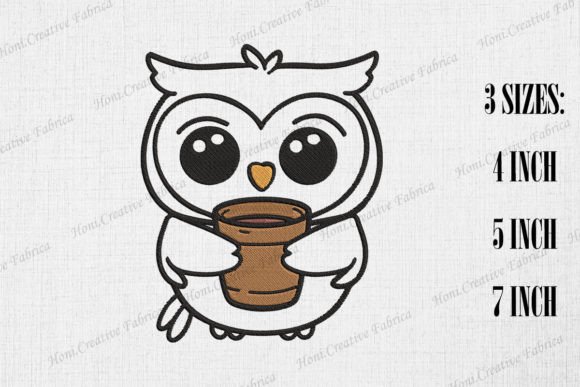
Cute Owl Loves Coffee Embroidery Design Review
As an experienced embroidery designer who has spent years translating digital concepts into tangible, stitched reality for small businesses, I approach every new design file with a critical eye. It is not enough for a design to simply look good on a screen; it must perform under the needle, hold up to wear and washing, and elevate the brand it adorns. Today, I am reviewing the Cute Owl Loves Coffee machine embroidery design. This piece falls squarely into the Birds category of Embroidery, but its true value lies in its potential application for branded merchandise, staff uniforms, and handmade product lines.
First Impressions: Visual Personality and Brand Fit
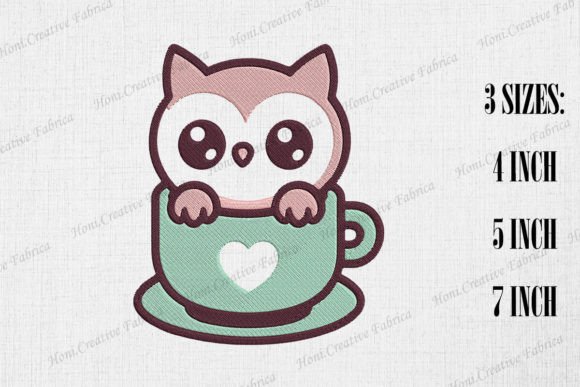
The title Cute Owl Loves Coffee immediately sets a specific tone. In the world of branding, this suggests warmth, comfort, playfulness, and approachability. When I first loaded the design file, my immediate assessment was that this design feels friendly and rustic rather than sleek or corporate. It leans heavily into the "handmade" aesthetic, which is currently a massive driver for consumer engagement in the Etsy and craft market sectors.
For a small business owner—whether you run a local café, a boutique bakery, or a creative studio—this design offers a distinct visual personality. It is not trying to be elegant or minimalist; it is trying to be inviting. The owl motif, combined with the coffee theme, creates an instant narrative. It tells the customer that your brand values cozy moments and quality brews. This emotional connection is crucial for building brand identity and customer trust. If your goal is to create a premium, high-fashion look, this might not be the right asset. However, if you are aiming for a charming, community-focused vibe, this design hits the mark perfectly.
Real-World Business Applications
The product description notes that this design can be embroidered on clothes, baby’s onesies, home decor, t-shirts, tablecloths, kitchens, towels, and more. From a merchandising perspective, this versatility is a significant advantage. Let us break down how Cute Owl Loves Coffee performs in specific commercial applications.
- Embroidered Patches: This design translates exceptionally well as an embroidered patch. Whether sewn onto denim jackets, canvas tote bags, or leather caps, the owl motif provides a focal point that draws the eye. For small business assets, patches serve as durable brand markers that customers want to display proudly.
- Staff Uniforms and Aprons: For a café or bakery, apron embroidery is a staple. Placing this design on the chest pocket of a black or white apron adds a touch of personality to staff uniforms without compromising professionalism. It humanizes the service experience, making interactions feel more personal and welcoming.
- Tote Bag Design: Canvas totes are ubiquitous in the handmade and retail spaces. A single centered placement of this design on a natural cotton tote bag looks polished and ready for sale. It works beautifully as a custom apparel item for farmers markets or pop-up shops.
- Cap Embroidery: The curved surface of a cap presents challenges, but if the design elements are balanced, this owl can sit comfortably on the front panel. It serves as an excellent logo accent for casual brands.
- Product Packaging Accents: Beyond clothing, consider stitching this onto kraft paper tags attached to baked goods, candles, or floral arrangements. This elevates the unboxing experience and reinforces brand recognition before the product is even used.
Strategic Placement for Maximum Impact
When integrating this design into your workflow, think about scale. On a large item like a tablecloth or a kitchen towel, the design can be larger, allowing viewers to appreciate the details. On smaller items like a baby’s onesie or a mug, it becomes a subtle detail. For event merch or craft business assets, consistency is key. Ensure that the size of the Cute Owl Loves Coffee design remains proportional across all products to maintain visual consistency.
Technical Considerations and Potential Pitfalls
While the aesthetic appeal is strong, an experienced designer knows that execution is everything. There are several areas where caution is required when using this digital embroidery file for commercial projects.
First, evaluate the stitch density. Designs featuring intricate outlines or dense fills can become stiff and bulky, especially on delicate fabrics. If the stitch density is too high, the fabric may pucker, ruining the finished product. You must test the design on the actual fabric texture you intend to use. Lightweight cottons may require a different stabilizer choice than heavy-duty canvas or fleece.
Second, consider the thread colors. The effectiveness of this design relies heavily on contrast. If you are embroidering on dark uniforms or dark-colored tote bags, ensure that the thread colors chosen provide sufficient visibility. Poor contrast can make the owl look muddy or indistinct, diminishing the professional quality of the work. Always review thread color contrast before committing to a full production run.
Third, be mindful of small patch sizes. If you plan to reduce this design significantly for use on tiny accessories, inspect the spacing carefully. Tiny lettering or fine details may disappear or merge together when stitched at a reduced scale. A rule of thumb in embroidery is to avoid placing text smaller than 0.4 inches in height, but always verify this by creating a printable mockup to see how the design holds up at scale.
Fabric and Stabilizer Compatibility
The success of any embroidery project depends on the foundation. Using the proper stabilizer is non-negotiable. For woven fabrics like those used in aprons and shirts, a cut-away stabilizer often provides the best long-term support, preventing distortion after multiple washes. For knits, such as t-shirts or baby onesies, a tear-away or water-soluble stabilizer might be preferred to maintain softness. Ignoring these technical details can lead to customer complaints regarding puckering or misalignment.
Brand Identity and Customer Engagement
Using a design like Cute Owl Loves Coffee does more than just decorate a product; it communicates your brand’s values. In a crowded marketplace, visual cues help customers instantly categorize your business. This design signals that your brand is fun, accessible, and perhaps a bit nostalgic. It appeals to buyers who appreciate handmade quality and whimsical details.
Furthermore, consistent use of design assets across your product line builds recognition. When a customer sees the owl on a tote, then again on a coffee mug, and finally on a staff uniform, their brain begins to associate that imagery with your business. This repetition strengthens brand identity and fosters loyalty. It transforms a simple transaction into a memorable experience.
Practical Designer Notes for Production
Before you begin mass-producing items with this design, follow these essential steps to ensure a professional result:
- Test in Black and White: Print a grayscale version of the design to check the balance of light and dark areas. This helps identify potential contrast issues before you commit to expensive thread.
- Confirm Hoop Size: Check the recommended hoop size for the design. Ensure it fits within the constraints of your embroidery machine and the dimensions of your product. Trying to force a large design into a small hoop can result in trimming errors or incomplete stitches.
- Create a Mockup: Use a printable mockup to visualize the design on your actual product. This allows for client approval and gives you a chance to adjust placement before stitching.
- Inspect Spacing: Zoom in on the digital file. Are there any overlapping stitches that might cause thread breaks? Is the spacing between elements logical?
- Verify Commercial Licensing: Most importantly, confirm the commercial licensing terms of the digital embroidery file. Ensure you have the right to sell products made with this design. Failure to do so can lead to serious legal issues.
In conclusion, the Cute Owl Loves Coffee embroidery design is a versatile and charming asset for small business owners looking to add a touch of warmth to their merchandise. By paying attention to technical details like stitch density, fabric choice, and stabilizer usage, you can transform this digital file into a high-quality, profitable product line. Whether you are decorating aprons, caps, or tote bags, this design offers a reliable way to connect with customers through the timeless appeal of handmade craftsmanship.