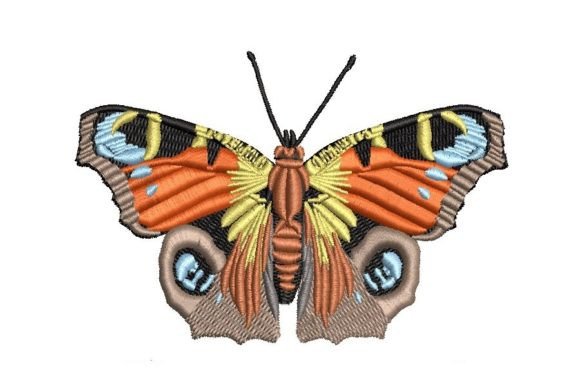
Peacock Butterfly Embroidery Review
As an embroidery designer who spends countless hours refining stitch patterns and testing thread combinations, I am always on the lookout for designs that can elevate a simple handmade item into a premium seasonal product. When browsing Creative Fabrica embroidery collections, I often find pieces that are technically sound but lack that certain "wow" factor needed to stand out in a crowded holiday market. However, the Peacock Butterfly design caught my eye immediately. It is not just another bug motif; it is a statement piece that balances elegance with whimsy, making it a versatile candidate for a wide range of holiday and seasonal projects.
I recently reviewed this machine embroidery design with the specific intention of incorporating it into my upcoming line of limited-edition holiday gifts. Below is my honest assessment of how this embroidery file performs in real-world applications, along with practical advice for fellow Etsy sellers and small business owners looking to expand their inventory.
First Impressions: Mood and Aesthetic Appeal
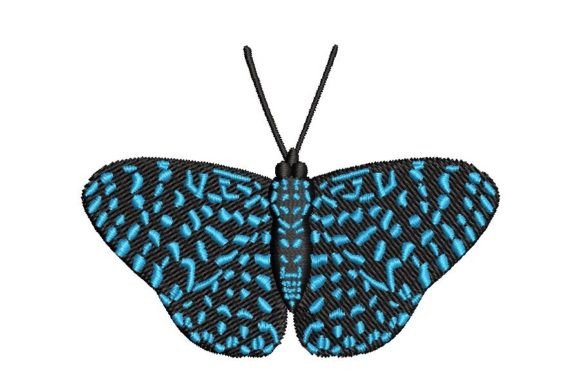
The first thing you notice about the Peacock Butterfly is its intricate detail. The design features sweeping wing patterns that mimic the iridescent eyespots of a peacock, blended seamlessly with the delicate structure of a butterfly. This fusion creates a visual rhythm that is both calming and captivating. In terms of emotional tone, the design feels elegant yet playful, which is a rare combination. It avoids being too childish, making it suitable for adult audiences, while still retaining enough charm to appeal to children and families.
For holiday shoppers, this aesthetic translates well into several themes. It works beautifully for spring holidays like Easter due to the butterfly imagery, but its rich color potential also makes it ideal for autumn festivals or even as a unique addition to winter gift guides if paired with deep jewel tones. The design exudes a sense of nature-inspired luxury, which can significantly increase the perceived value of your finished product. When customers see this level of detail on a garment or home decor item, they associate it with high-quality craftsmanship.
Seasonal Product Applications
One of the strongest aspects of the Peacock Butterfly is its adaptability across different product categories. Here is how I envision this digital embroidery file performing in various seasonal scenarios:
- Sweatshirt Embroidery: Placing this design on the back of a crewneck sweatshirt creates a striking focal point. The large scale allows the intricate details to shine, making it perfect for fall fashion trends. Pairing it with earthy thread colors enhances the cozy, rustic vibe that sells well during cooler months.
- Tote Bag Design: For everyday utility meets style, this design looks stunning on canvas tote bags. It serves as a great conversation starter and appeals to eco-conscious shoppers looking for unique accessories. The butterfly motif adds a touch of lightness to a utilitarian item.
- Kitchen Towel Embroidery: Small-scale versions of this design work wonderfully on linen kitchen towels. Imagine a set of three towels, each featuring a different stage of the butterfly or variations in color. These make excellent housewarming gifts or hostess presents during the holiday season.
- Pillow Cover: Adding this to velvet or cotton pillow covers brings a sophisticated touch to home decor. The symmetry of the wings lends itself well to centered placement, creating a balanced look that fits modern interior design trends.
- Embroidered Patch: You can use this design to create iron-on patches for denim jackets or backpacks. This is particularly popular among younger demographics and can be marketed as customizable personalized gift options.
- Baby Items: On onesies or burp cloths, the softer interpretation of the butterfly can evoke feelings of new beginnings, making it a thoughtful choice for baby showers or newborn gifts.
Performance in Holiday Selling Situations
From a marketing perspective, the Peacock Butterfly offers several advantages for commercial embroidery businesses. Its visual complexity photographs well, which is crucial for social media previews and product mockups. High-quality images of detailed embroidery tend to generate higher engagement rates because they showcase the texture and quality of the work.
This design also supports bundle selling strategies. You could create a "Nature's Beauty" collection featuring the Peacock Butterfly alongside other floral or insect motifs. Bundles increase average order value and provide customers with more variety. Furthermore, the design’s versatility allows for personalized gifts. Customers often love seeing their names or special dates embroidered near a beautiful image like this, adding an extra layer of sentimental value.
In craft fair displays, items featuring this design will likely draw attention due to their artistic merit. Unlike basic text-based embroidery, the Peacock Butterfly stands out as a piece of wearable art. This distinction helps justify higher price points and builds customer trust in your brand’s ability to deliver premium goods.
Where to Use Caution
While the design is impressive, there are technical considerations every embroiderer must keep in mind. First, avoid using this design on extremely small hoop sizes without scaling it down significantly. The fine details in the wings may become muddy or lost if the stitches are too compressed. Similarly, be cautious when stitching on thick terry cloth towels or highly textured fabrics, as the needle penetration might struggle, leading to uneven results.
Dark fabrics require careful thread selection. While bright threads can pop, dark backgrounds might hide subtle shading unless you use high-contrast colors. Additionally, if you plan to use metallic threads, test them thoroughly. Metallics can break more easily and may not capture the delicate nuances of the butterfly’s pattern as well as standard polyester or rayon threads.
Stretchy garments like leggings or tight-fitting dresses require a strong stabilizer to prevent distortion. The density of the design means that if the fabric stretches during stitching, the final result could look warped. Always run a test stitch on scrap fabric of the same type before committing to the final product.
Practical Designer Notes for Success
To get the most out of this machine embroidery design, I recommend following these best practices:
- Test Thread Colors: Experiment with different color palettes on both light and dark fabrics. Jewel tones like emerald, sapphire, and ruby can enhance the peacock theme, while pastels can soften the look for spring collections.
- Check Stitch Density: Review the file’s settings to ensure the underlay stitches are appropriate for your chosen fabric. Proper underlay prevents puckering and ensures the design sits flat.
- Confirm Hoop Size: Make sure your hoop is large enough to accommodate the design without frequent re-hooping, which can misalign the stitching.
- Use Proper Stabilizer: Cut-away stabilizers are generally recommended for permanent items like apparel, while tear-away may suffice for temporary decorations on sturdy fabrics.
- Create Realistic Mockups: Before listing products, create digital mockups that show the embroidery in context. This helps buyers visualize the texture and scale of the embroidered patch or design.
- Review Licensing: Always check the Creative Fabrica product details and licensing terms before selling finished items. Ensure you have the commercial rights required for your business model.
Final Thoughts
The Peacock Butterfly is a standout addition to any seasonal embroidery collection. Its blend of natural beauty and artistic detail makes it appealing to a broad audience, from casual crafters to serious small shop product creators. By understanding its strengths and respecting its technical requirements, you can create memorable holiday gifts that resonate with customers. Whether you are decorating kitchen towel embroidery sets or designing premium sweatshirt embroidery lines, this design offers the versatility and elegance needed to succeed in today’s competitive handmade market.