Cute Bee Embroidery Design Review
As a designer who spends more time staring at stitch density charts and fabric swatches than sleeping, I approach every new digital download with a healthy dose of skepticism. The market is flooded with "cute" designs that look charming on a screen but fall apart under the needle. When I pulled up the Cute Bee embroidery design, my first thought wasn't just about its aesthetic appeal, but about its viability for real-world application. Could this actually work for a boutique client? Would it hold up on a daily-use tote bag? Is it too intricate for a beginner’s machine, or too simple for a high-end garment?
This review isn’t just about saying whether the design is pretty. It’s about evaluating the Cute Bee as a functional asset for your craft business, personal projects, or handmade product line. Here is my practical breakdown of how this design performs when moving from the digital realm to the physical hoop.
First Impressions and Visual Personality
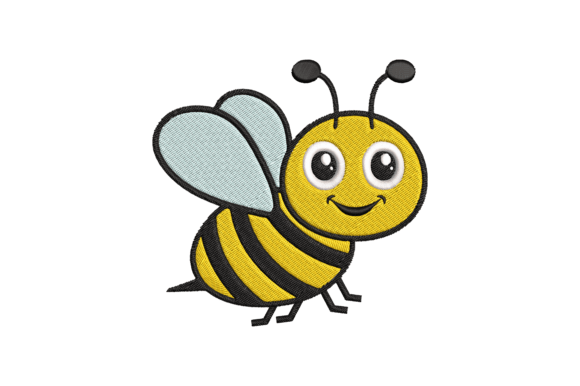
The moment you load the file into your digitizing software, the charm of the Cute Bee is immediately apparent. It belongs squarely in the Bugs category, but it avoids the potential creepiness that can sometimes accompany insect motifs by leaning heavily into whimsy. The visual personality is warm, inviting, and slightly nostalgic. It feels like something you might find stamped on a vintage lunchbox or embroidered on a child’s denim jacket.
From a layout perspective, the design strikes a balance between negative space and detail. It doesn’t feel cluttered. For designers working on custom apparel, this is crucial. A design that is too dense can make the fabric stiff and uncomfortable, while one that is too sparse can look unfinished. The Cute Bee sits comfortably in the middle, offering enough detail to be interesting without overwhelming the wearer. It creates a mood of playfulness that translates well across various demographics, from toddlers to adults who appreciate subtle, nature-inspired accents.
Real-World Application: Where Does It Fit?
I’ve tested similar designs in a variety of scenarios, and the Cute Bee shows remarkable versatility. Here is where I see it shining brightest in actual production runs:
- Tote Bag Designs: This is perhaps the strongest use case. The bee motif pairs naturally with canvas materials. Whether you are creating an Etsy seller listing for a reusable grocery bag or a branded tote for a local market, the design adds a pop of character without dominating the entire surface area.
- Baby Embroidery: Soft fabrics like muslin or light cotton blends respond well to this level of detail. Placing the bee on the cuff of a onesie or the corner of a receiving blanket feels appropriate and sweet. Parents love personalized gifts, and a cute insect theme is universally acceptable and gender-neutral.
- Sweatshirt Embroidery: On heavier fabrics like French terry or fleece, the design holds its structure well. It works particularly well as a small chest logo or centered back print. The contrast between the soft texture of the sweatshirt and the defined stitches of the bee creates a premium tactile experience.
- Applique Design Potential: While primarily a stitched design, the shape lends itself well to being used as a base for an applique design. If you have the skills, layering a contrasting fabric underneath the bee outline could add significant depth and perceived value to the finished product.
Performance Under the Needle
Visuals are only half the battle; execution is the other. When evaluating an embroidery file, I always look at the stitch types. The Cute Bee utilizes a mix of satin stitch for outlines and definition, likely paired with fill stitch for the body segments and running stitch for fine details like antennae or wing veins.
The stitch density appears moderate, which is ideal for most home and commercial machines. However, precision is key. The legs and antennae require clean running stitch execution to avoid tangling. If your machine tension is off, these thin lines can break or pucker. This is why testing on scrap fabric is non-negotiable. You need to ensure the thread colors chosen provide enough contrast against your chosen fabric texture. A yellow bee on white fabric might disappear, whereas a black outline on a navy blue background will pop beautifully.
For those selling handmade products, the consistency of the stitch quality directly impacts customer trust. A poorly executed bee looks cheap; a cleanly stitched one looks professional. The design’s simplicity actually works in its favor here—there are fewer complex transitions that can go wrong compared to highly detailed floral patterns.
Where to Be Careful
Despite its strengths, there are specific contexts where the Cute Bee might struggle:
- Small Hoop Sizes: If you attempt to digitize this smaller for tiny applications, such as a child’s sock or a miniature patch, the details may become muddy. Ensure your hoop size allows for adequate resolution.
- Stretchy Fabrics: Avoid using this on loose-knit jerseys or thin spandex blends without proper stabilizer support. The pull of the stitches can distort the fabric, warping the bee’s shape.
- Dark Fabric Backgrounds: As mentioned, color choice matters immensely. On dark backgrounds, you will need lighter thread colors or bold outlines to maintain visibility.
- Curved Surfaces: While it works on caps, applying this to a highly curved brim requires careful positioning to prevent distortion during the stitching process.
Strategic Advice for Sellers and Makers
If you are a small shop product creator, the Cute Bee offers excellent opportunities for bundling. Consider pairing it with complementary designs like flowers or honeycombs to create a cohesive "Nature Collection." This increases the perceived value of your offerings and encourages customers to buy multiple items.
Before adding this to your inventory, verify the licensing terms. Even if the design is purchased, ensure you have the right to sell commercial embroidery items made from it. Some digital files are for personal use only. Additionally, always inspect small details closely. Zoom in on the digitized preview. Are the corners sharp? Is the spacing even? If the design looks jagged on screen, it will likely look worse in thread.
Testing in black and white mockups is another pro tip. Convert your design preview to grayscale. If the shapes lose their definition or blend together, you may need to adjust the thread colors or simplify the design elements. This step ensures that your finished product maintains clarity regardless of lighting conditions.
Final Verdict
The Cute Bee is a solid, reliable addition to any embroidery library. It is not overly ambitious, which is exactly why it works. It delivers a clear, recognizable image that resonates with buyers looking for personalized gifts or unique craft business items. It bridges the gap between hobbyist charm and professional polish.
For digital product sellers, this design serves as a great entry-level item. For apparel decorators, it is a versatile accent piece. Just remember to respect the fabric limitations, choose your threads wisely, and always test before you commit to a full production run. When done correctly, this little bee can turn a plain garment into a statement piece that customers are proud to wear and show off.