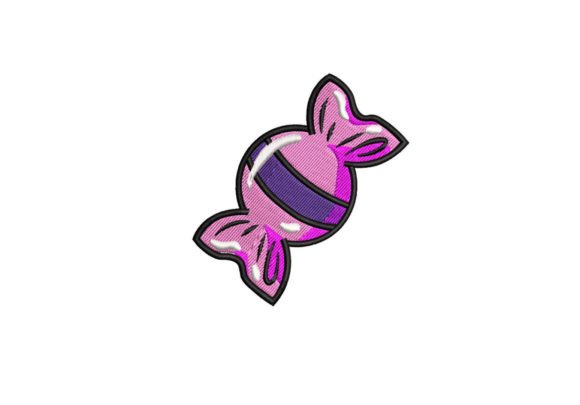
Satisfy Sweet Embroidery Design Review
If you are a regular at weekend craft fairs or manage an active Etsy shop, you know that the first three seconds of eye contact determine whether a customer stops at your booth. As an experienced embroidery designer who has stitched thousands of designs and watched trends come and go, I look for more than just aesthetic appeal in a digital file. I look for commercial viability, production efficiency, and that "wow" factor that makes a handmade product feel premium. Today, I am reviewing Satisfy Sweet, a design from the Candylicious Couture collection, to see if it deserves a spot on your production table.
First Impressions: The Sugarcoated Appeal
The title Satisfy Sweet immediately sets a tone that is playful, indulgent, and visually engaging. Based on the description of the Candylicious Couture collection, this design taps into the joyful realm of sweet treats. For a craft fair seller, this is gold. It feels modern yet nostalgic, striking a balance between cute and stylish. It isn’t overly rustic or farmhouse; instead, it leans toward a vibrant, boutique aesthetic that appeals to a broad demographic, from teenagers looking for trendy accessories to adults seeking a touch of whimsy in their kitchenware.
When I first visualized this design, I didn’t see a subtle watermark. I saw a focal point. The name suggests boldness and clarity, which is exactly what you need when your products are displayed on crowded tables under fluorescent lighting. It promises a "sugarcoated fantasy," implying rich colors and perhaps intricate details that reward closer inspection—a crucial element for driving foot traffic to your booth.
Product Versatility: Where Satisfy Sweet Shines
One of the biggest mistakes small business owners make is limiting a strong design to one product type. Satisfy Sweet is versatile enough to elevate several key craft fair categories. Here is how I see it performing across different items:
- Tote Bags and Market Bags: This is likely the highest-volume seller. A well-executed tote bag design featuring Satisfy Sweet becomes a walking advertisement. The playful nature of the design contrasts beautifully with sturdy canvas fabrics, making it stand out against more serious, minimalist bags.
- Aprons and Kitchen Towels: In the realm of home goods, apron embroidery and tea towel embroidery are perennial favorites. Because the design is inspired by sweets, it fits perfectly in a kitchen context without feeling out of place. It adds personality to a functional item, making it an excellent impulse buy at checkout.
- Embroidered Patches and Caps: For those targeting a younger audience or fashion-forward buyers, turning this into an embroidered patch for denim jackets or backpacks is a smart move. On caps, it serves as a fun accent, though placement strategy will be key here.
- Pillow Covers and Small Pouches: These items offer higher price points due to the amount of fabric used. Satisfy Sweet works well here as a centered medallion or a repeated pattern, creating a cohesive look that feels luxurious and complete.
Production Practicality and Booth Strategy
As a designer, my job doesn’t end when the file is purchased. It ends when the customer loves the finished product. When evaluating Satisfy Sweet for batch production, I consider how easy it is to stitch consistently. A design that looks great in a digital mockup but jams the machine or puckers the fabric is a nightmare for volume sales.
The design’s visual clarity is paramount. At a craft fair, customers scan quickly. If the elements of Satisfy Sweet are too tiny or rely on subtle shading that disappears at a glance, you lose the sale. Ideally, this design should have clear outlines and distinct color blocks. This ensures that even when viewed from five feet away, the "sweet treat" theme is unmistakable. This clarity also translates well to online listings. A sharp, high-contrast design photographs better, reducing return rates caused by customers expecting something different than what they received.
For your booth display, variety is king. I recommend setting up a tiered display where the Satisfy Sweet tote bags are front and center, flanked by smaller items like embroidered patches and tea towels. This creates a sense of abundance and allows customers to see how the design adapts to different scales. The consistency of the design across these items reinforces brand identity, making your booth look professional and curated rather than random.
Critical Technical Considerations
Before you commit to mass-producing Satisfy Sweet, there are technical hurdles that every embroidery pro must address. Ignoring these can lead to wasted time, material, and unhappy customers.
- Stitch Density and Fabric Texture: If the design features dense satin stitches, you must ensure your fabric can handle the tension. On textured items like heavy canvas totes or waffle-weave tea towels, dense stitching can sometimes sink in or distort the fabric texture. Always test on scrap pieces of your actual selling fabric.
- Thread Contrast and Colorfastness: The "Candylicious" theme likely calls for bright, saturated threads. Ensure your thread choice offers high contrast against the base fabric. Dark fabrics may require a cut-underlay or specific stabilizer to prevent the design from looking muddy. Also, check for colorfastness; bright pinks and reds can bleed during washing, which is a major complaint for apron and towel buyers.
- Hoop Size and Curved Surfaces: If you plan to embroider this on caps or curved pouches, the hoop size limitations become critical. Designs that are too wide may not fit standard cap hoops without distortion. You may need to digitize variations or use specialized hoop adapters. Confirm that the design’s width fits comfortably within your equipment’s capabilities.
- Small Details and Lettering: Examine the fine lines and any text within the design. Tiny details often get lost in the stitching process, especially on thicker fabrics. If the design relies on thin lines to convey its shape, consider simplifying it or increasing the stroke weight before production. Clarity sells; ambiguity does not.
Designer’s Checklist for Success
To maximize the potential of Satisfy Sweet as a commercial embroidery asset, follow these practical steps:
- Test on Scrap Fabric: Never skip this step. Stitch the design on the exact fabric you intend to sell. Check for puckering, registration issues, and overall visual impact.
- Review Spacing and Density: Inspect the stitch density closely. Are there areas where the needle penetrates the same spot too many times? Adjusting these in your digitizing software can save hours of troubleshooting later.
- Use the Right Stabilizer: Match your stabilizer to your fabric. Heavy-duty tear-away for stable cottons, cut-away for stretchy knits. Using the wrong stabilizer is the most common cause of poor-quality finishes.
- Create Real Mockups: Before updating your Etsy listing or social media, create at least one real mockup. Digital renders can be deceiving. A photo of the actual stitched product builds trust and reduces buyer hesitation.
- Confirm Licensing: Most importantly, verify your commercial licensing rights. Ensure you are legally permitted to sell finished goods made from this digital embroidery file. Selling infringing designs can lead to costly legal issues and damage your reputation.
In conclusion, Satisfy Sweet appears to be a strong contender for the current market. Its playful, dessert-inspired theme resonates with the desire for joy and indulgence that drives impulse buys at craft fairs. By paying attention to the technical details—from thread choice to stabilizer selection—you can transform this design into a best-selling handmade product that elevates your brand and delights your customers. Just remember to always prioritize quality control and clear communication with your buyers to ensure long-term success in the competitive world of handmade commerce.