Nurse Symbol Embroidery Design Review
If you are preparing for a busy weekend at the local craft fair or refreshing your Etsy seller inventory, every stitch counts. As an experienced embroidery designer, I have learned that the difference between a design that sits on the shelf and one that flies off the table often comes down to visual clarity, emotional resonance, and production practicality. Today, I am reviewing the Nurse Symbol, a machine embroidery design described as adding a "touch of whimsy and charm" to various home decor items. This review is tailored for handmade market vendors, boutique makers, and creative entrepreneurs who need to know if this design will strengthen their booth display and drive sales.
First Impressions: Whimsy Meets Professionalism
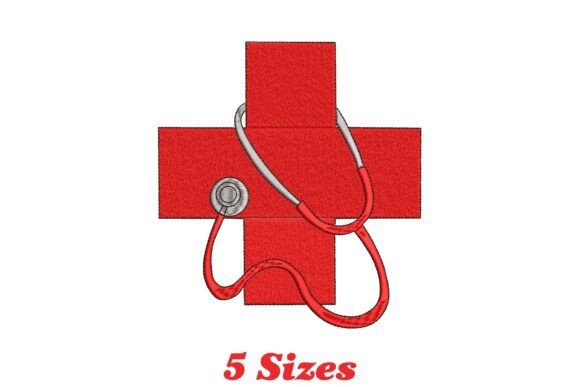
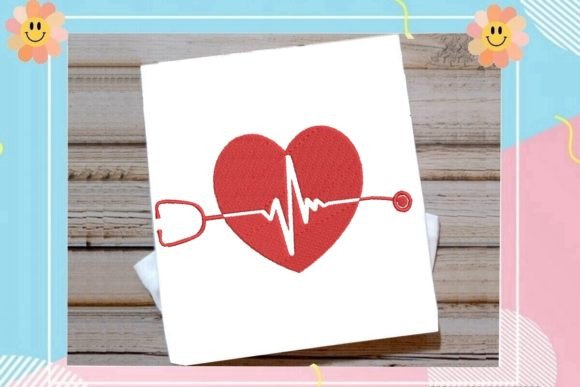
The description highlights that this design is lovely and whimsical. In the world of commercial embroidery, "whimsy" can be a double-edged sword. It can mean charming and unique, or it can mean cluttered and amateurish. Based on the title and the promise of charm, I anticipate the Nurse Symbol strikes a balance between professional recognition and soft, approachable aesthetics. It likely avoids the overly clinical look of standard medical icons, opting instead for something that feels like a heartfelt gift rather than a uniform requirement.
For a craft fair audience, this distinction is vital. Buyers at handmade markets are looking for handmade product uniqueness. They want items that feel personal. If the Nurse Symbol delivers on that promise of whimsy, it transforms a standard utility item into a keepsake. It suggests a design that is not just functional but decorative, appealing to nurses who want to express pride in their profession without wearing a stiff corporate logo.
Product Application: Where Does It Shine?
To maximize your ROI, you must place the right design on the right substrate. The Nurse Symbol is versatile enough for several high-demand categories, but some applications will yield better results than others. Here is how I evaluate its performance across key crafter fair products:
- Tote Bag Design: A canvas tote bag is the quintessential market item. Placing the symbol on the front pocket or centered on the main body offers high visibility. The sturdy fabric holds the stitches well, making this a reliable small shop product. It appeals to nursing students and professionals who carry books, scrubs, or lunch.
- Apron Embroidery: For the nurse who also loves to cook or garden, an embroidered apron is a perfect gift. The symbol adds a personal touch to a utilitarian garment. Ensure the placement is away from high-wear areas to preserve the integrity of the embroidery file.
- Tea Towel Embroidery: This is a low-cost entry point for customers. A simple towel with the Nurse Symbol is an impulse buy at checkout. It works best as a small accent, perhaps in the corner. Check the stitch density carefully here; tea towels are thin, and too much stitching can pucker the fabric.
- Embroidered Patch: Converting the design into a patch allows for application on hats, bags, and jackets. Patches offer a premium feel and allow the customer to customize where they wear their pride. This is excellent for creating a cohesive brand identity for your booth.
- Caps and Headwear: Structured caps provide a smooth surface for embroidery. However, curved surfaces can distort designs. Test the Nurse Symbol on a cap frame to ensure the curves do not stretch the imagery out of proportion.
Production Practicality and Quality Control
As a designer, my job doesn’t end when the design is digitized. It ends when the finished product looks flawless. When evaluating the Nurse Symbol for batch production, consider these technical factors:
- Stitch Density and Clarity: Medical symbols often contain fine lines. At smaller sizes, these lines can merge, creating a muddy blob. Always run a test stitch-out. If the symbol loses definition, reduce the size or simplify the digitization. A clear symbol sells; a blurry one returns.
- Fabric Texture Compatibility: The description mentions towels and pillows. These fabrics have varied textures. Terry cloth (towels) can hide stitches, while smooth cotton percale shows them sharply. Adjust your thread colors accordingly. High contrast is usually safer for textured fabrics.
- Stabilizer Selection: Using the wrong stabilizer is the number one cause of puckering. For lightweight tea towels, use a cut-away stabilizer to prevent distortion. For sturdier tote bags, a tear-away might suffice, but a wash-away backing ensures no residue remains. Proper stabilization ensures your finished product maintains its shape after washing.
- Hoop Size Constraints: Confirm the recommended hoop size for the Nurse Symbol. If the design is large, it may limit your placement options on smaller items like pouches or baby gifts. Versatility in sizing is a key trait of a top-performing digital embroidery file.
Selling Strategy: From Booth to Online Listing
A great design needs great presentation. How does the Nurse Symbol photograph? Whimsical designs tend to perform well in lifestyle shots. Imagine a photo of a nurse’s hands holding a coffee mug, with the embroidered towel draped casually nearby. This context tells a story. It moves the item from a "medical supply" to a "lifestyle accessory."
For your Etsy listings and online store, create printable mockups that show the symbol on different backgrounds. Show it on white, navy blue, and pastel scrubs. Visualizing the color combinations helps customers imagine the product in their own homes. Use keywords like "nurse gift," "healthcare worker appreciation," and "whimsical home decor" to capture search traffic.
At the craft fair, your booth display should highlight the texture and quality of the embroidery. Use a light box or natural lighting to show the sheen of the threads. Let customers touch the fabric. The tactile experience of a well-stitched embroidered patch or soft towel can seal the sale faster than any signboard.
Key Considerations for Success
Before you commit to mass production, keep these final notes in mind:
- Thread Contrast: Never assume a thread color will work. Navy thread on black fabric disappears. White on white lacks impact. Test multiple thread colors to find the most legible combination.
- Commercial Licensing: Verify the licensing terms of the Nurse Symbol. Ensure you have the right to sell physical goods made from the design. This protects your business and respects the original artist.
- Batch Production Efficiency: If the design requires frequent thread changes, it slows down production. A design that uses a limited palette of common thread colors will be more profitable and faster to produce.
In conclusion, the Nurse Symbol appears to be a strong candidate for craft fair and handmade market success. Its promise of whimsy and charm aligns perfectly with the current demand for personalized, meaningful gifts. By testing the design thoroughly, selecting appropriate fabrics, and presenting it through compelling visuals, you can turn this simple symbol into a standout crafter fair product. Remember, in the handmade market, quality and presentation are everything. Make sure every stitch reflects the care and professionalism your customers expect.