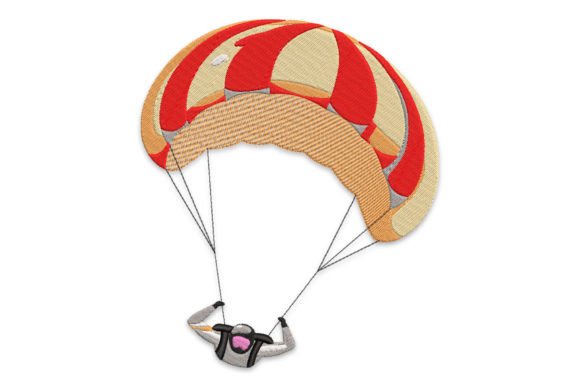
Sky Diving Embroidery Design Review
As an experienced embroidery designer who has spent years translating digital concepts into tangible brand assets, I approach every new file with a critical eye. When evaluating a design for small business merchandise, branded patches, or uniform accents, the question is never just "does it look good?" but rather "does it function effectively in production?" Today, we are reviewing the Sky Diving machine embroidery design. While the product category lists this under Sports and the description invites you to embellish towels, pillows, and home decor with a touch of charm, my focus remains on its viability for commercial application.
First Impressions: Visual Personality and Brand Alignment
The title Sky Diving immediately evokes themes of adventure, freedom, boldness, and adrenaline. From a design perspective, this suggests a visual personality that is likely dynamic, energetic, and perhaps a bit rugged or playful. For a small business owner—whether running a boutique adventure tour company, a handmade gear shop, or a creative studio—this aesthetic can be incredibly powerful. It moves away from the traditional, stiff corporate logo and leans into a more modern, lifestyle-oriented brand identity.
However, the description’s mention of adding a "touch of charm" introduces an interesting duality. Does the design balance high-energy action with approachable warmth? In the world of custom apparel and embroidered patches, this balance is crucial. If the design is too aggressive, it may alienate casual customers; if it is too soft, it loses the excitement associated with sky diving. A successful embroidery file must capture the essence of the activity while remaining versatile enough for various products, from aprons to tote bags.
Real-World Business Applications
Let us imagine a specific scenario: a local boutique that sells handmade outdoor gear and also offers guided weekend experiences. They want to create a cohesive line of merchandise to boost brand recognition and provide value-added items for their customers. Here is how the Sky Diving design could perform in real-world business use:
- Embellished Patches: One of the most popular uses for this type of design is as a sew-on or iron-on patch. These patches serve as excellent branding tools on denim jackets, backpacks, and caps. The dynamic nature of the design allows it to stand out even when viewed from a distance, making it ideal for customer gifts and event merch.
- Staff Uniforms and Aprons: For businesses involved in food service or retail, such as a café located near an adventure park, this design can add a unique flair to staff uniforms. Placed on the chest or sleeve, it signals a fun, active workplace culture. On heavy-duty canvas aprons, it reinforces the handmade, artisanal feel of the brand.
- Tote Bag Designs: Tote bags are ubiquitous marketing tools. A well-executed embroidery design on a canvas tote bag elevates the perceived value of the item. The Sky Diving motif works particularly well here because it appeals to the eco-conscious traveler who values both style and substance.
- Cap Embroidery: Caps remain a staple in promotional merchandise. The design’s likely vertical or compact structure (typical of sky diving imagery) would fit well on the front panel of a cap, offering a professional yet trendy look for team members or loyal customers.
- Product Packaging Accents: Beyond clothing, this design can be used on product labels or hang tags attached to handmade goods. This attention to detail enhances the unboxing experience and strengthens the connection between the physical product and the brand story.
Strategic Considerations and Potential Pitfalls
While the potential is high, not every design suits every application. As a designer, I advise caution in several key areas when integrating Sky Diving into your commercial workflow.
First, consider the scale. Small patch sizes require simplified designs with clear outlines. If the original digital embroidery file contains intricate details or tiny lettering, these elements may become muddy or illegible when stitched at a small diameter. Always test the design at its intended final size before committing to bulk production.
Second, evaluate the stitch density. High stitch density can make a fabric stiff and bulky, which is undesirable for lightweight t-shirts or delicate fabrics. However, for sturdy materials like denim, canvas, or felt, higher density provides durability and a premium texture. Ensure your stabilizer choice matches the fabric weight to prevent puckering, especially on curved surfaces like cap fronts.
Third, think about color contrast. Dark uniforms or dark-colored tote bags will require light thread colors for visibility. Conversely, light fabrics may need dark threads or a backing layer to prevent show-through. Review the available thread colors to ensure they align with your brand palette. Poor contrast can render a beautiful design invisible, undermining your brand identity and customer trust.
Impact on Brand Identity and Customer Trust
In the competitive landscape of small business merch, visual consistency is paramount. Using a high-quality, professionally digitized design like Sky Diving signals professionalism and attention to detail. Customers often equate the quality of the embroidery with the quality of the core product or service. A sloppy stitch job can damage reputation, whereas a clean, crisp design enhances perceived value.
Furthermore, a distinctive design fosters brand recognition. When customers see the Sky Diving motif repeatedly across different touchpoints—caps, aprons, packaging—they begin to associate those visuals with the reliability and charm of your brand. This repetition builds engagement and loyalty, turning one-time buyers into advocates who proudly wear or use your branded items.
Practical Designer Notes for Production
Before incorporating this design into your commercial inventory, follow these essential steps to ensure a flawless finished product:
- Test in Black and White: Convert the design to monochrome to check its structural integrity. If the shapes do not read clearly without color, the design may lack sufficient definition for embroidery.
- Review Spacing and Hoop Size: Confirm that the design fits within standard hoop sizes and that there is adequate spacing between elements to prevent stitching errors.
- Inspect Thread Color Contrast: Simulate the design on your target fabric color using digital mockups. Adjust thread choices if necessary to maximize visibility.
- Test on Real Fabric: Always run a sample stitch-out on the actual material you plan to sell. Fabric texture, stretch, and thickness can significantly alter the final appearance.
- Use Proper Stabilizer: Select a stabilizer (cut-away, tear-away, or water-soluble) appropriate for the fabric type to maintain stability during stitching.
- Create a Printable Mockup: Use the design assets to create realistic mockups for client approval or online listings. This helps visualize the end result and manage customer expectations.
- Confirm Commercial Licensing: Verify that you have the right to use the digital embroidery file for commercial purposes. Reselling items made from the design requires proper licensing to avoid legal issues.
By carefully evaluating the Sky Diving design through these practical lenses, small business owners can leverage its charm and energy to create memorable, high-quality merchandise. Whether you are an Etsy seller looking to expand your catalog or a local business aiming to unify your team’s appearance, this design offers a compelling option for enhancing your brand’s visual presence. Remember, the success of any embroidery project lies not just in the artistry of the design, but in the meticulous preparation and execution behind the scenes.