Coffee Cup in Saucer Review
As a designer who spends more time looking at stitch lines than coffee stains, I approach every new digital embroidery file with a mix of skepticism and hope. We all know the feeling: you download a cute design, pop it into your hoop, and pray it doesn’t look like a melted blob when finished. That is exactly where my evaluation of Coffee Cup in Saucer begins. This isn’t just about whether the code stitches correctly; it is about whether this design adds genuine value to a handmade product or if it will end up as another forgotten asset in a library.
The First Impression: Whimsy Meets Practicality
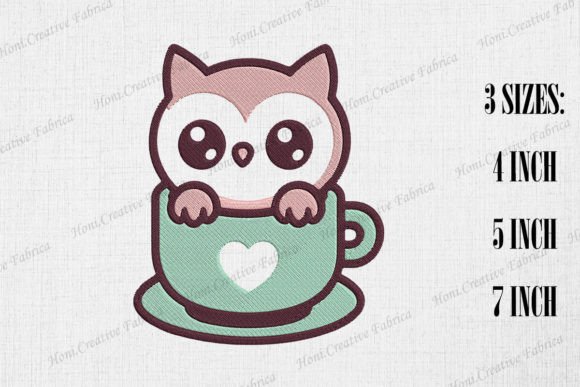
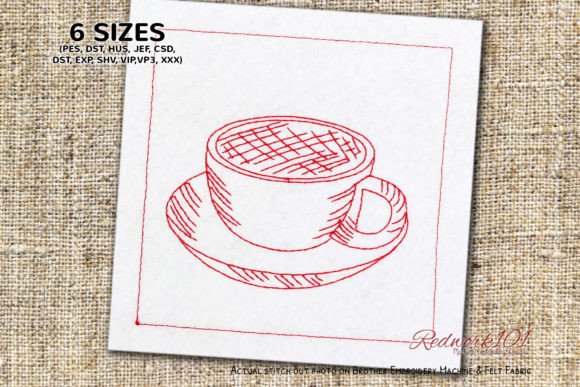
From the preview alone, Coffee Cup in Saucer promises that specific blend of comfort and charm that defines the "hygge" aesthetic so popular in modern home decor. The title suggests a classic motif, but the description hints at something more playful. When I first looked at the layout, what stood out was the balance between the cup and the saucer. In many lower-quality files, the saucer becomes an afterthought—a flat line that disappears during stitching. Here, the visual weight feels distributed, suggesting a design that respects negative space.
This matters because we are not just stitching shapes; we are creating mood. A coffee cup design can easily veer into cliché territory. However, this particular machine embroidery design seems to lean into a whimsical personality rather than a rigid, corporate logo feel. It feels like something you would see on a cozy apron in a boutique bakery or a personalized gift for a teacher. The theme is universal, which makes it a safe yet appealing choice for both hobbyists and serious entrepreneurs.
Real-World Application: Where Does It Fit?
I always test designs by imagining them on actual products before I even load the stabilizer. For Coffee Cup in Saucer, several scenarios immediately come to mind where this embroidery project would shine.
- Kitchen Textiles: Tea towels and kitchen linens are the natural habitat for this design. The circular nature of the saucer works beautifully centered on a folded towel. It adds a touch of elegance without being overly formal.
- Baby Items: There is a surprising demand for non-traditional baby gifts. While onesies often feature animals, a coffee cup design on a burp cloth or a nursery pillow cover speaks to the parents. It acknowledges the reality of parenthood with a wink.
- Custom Apparel: Think sweatshirts, oversized tees, or linen dresses. Placed over the heart or on the back yoke, this sweatshirt embroidery idea offers a subtle branding opportunity for small businesses that sell coffee-related merchandise.
- Accessories: A tote bag design featuring this motif is highly marketable. It appeals to book lovers, office workers, and anyone who needs a sturdy bag with a bit of personality.
For an Etsy seller or someone running a craft business, versatility is key. This design bridges the gap between functional home goods and wearable art. It is not so complex that it requires hours of hooping and trimming, nor is it so simple that it looks cheap. It sits in that sweet spot of perceived value.
Technical Considerations and Potential Pitfalls
Even the most charming design can fail if the execution is poor. As a reviewer, I have to point out where Coffee Cup in Saucer might require extra caution. Embroidery is a technical craft, and ignoring the physics of thread and fabric leads to unhappy customers.
Fabric Texture and Stability
If you plan to stitch this on a textured fabric like waffle weave or a heavy boucle, you need to be careful. The details of the cup handle and the rim of the saucer may get lost in the texture. I recommend using a firm cut-away stabilizer to ensure the fabric does not pucker. Conversely, if you are working with thin, slippery fabrics like silk or lightweight rayon, you must use tear-away stabilizer underneath to prevent the fill stitch from pulling the fabric out of alignment.
Scale and Hoop Size
One of the biggest mistakes designers make is assuming a design fits any hoop. If you attempt to reduce Coffee Cup in Saucer too much, you risk losing the definition of the steam or the curve of the handle. Always check the recommended hoop size before starting. If you are aiming for a tiny embroidered patch, verify that the running stitch details remain visible. Tiny dots can merge into solid blobs if the resolution is too low.
Thread Color Contrast
The success of this design hinges on color choice. On dark fabric, a light-colored cup will pop, but you may need a dense underlay to prevent the fabric color from showing through. On white fabric, a dark outline provides crisp definition. I advise testing your thread colors on scrap fabric first. Sometimes a design looks great in the software preview but lacks contrast in real life.
Impact on Brand and Customer Perception
When you are selling handmade products, the quality of the embroidery directly impacts customer trust. A sloppy stitch job screams amateur hour. A clean, well-placed design like Coffee Cup in Saucer signals professionalism. It suggests that you care about the details.
For commercial projects, consistency is everything. If you are building a brand around cozy, rustic, or cafe-inspired aesthetics, this design reinforces that identity. It is recognizable and relatable. Customers engage more with products that tell a story. A coffee cup isn't just a cup; it represents morning routines, relaxation, and conversation. By choosing a design with emotional resonance, you increase the likelihood of a sale.
Practical Designer Notes for Success
Before you rush to produce a batch of these items, keep these practical tips in mind:
- Test Run: Never run a new design on your final product without a test. Stitch it out on the same fabric and stabilizer you plan to use. Inspect the back for excessive backing and the front for skipped stitches.
- Black and White Check: View your design in grayscale. This helps you assess the density and contrast of the stitches without being distracted by color. If it looks muddy in black and white, it will likely look muddy in color.
- Licensing: Always confirm the licensing terms. Just because you bought the file does not automatically mean you can sell unlimited finished items. Check if it is intended for personal use only or if it includes commercial rights for your small shop product.
- Stitch Density: Review the stitch density. High-density areas take longer to stitch and use more thread. Ensure the density is appropriate for the fabric type to avoid stiffness.
Final Verdict
Coffee Cup in Saucer is a solid addition to any embroidery library. It is versatile, emotionally appealing, and technically straightforward enough for intermediate machine operators while still offering enough detail to satisfy seasoned pros. Whether you are making a personalized gift for a friend or creating design assets for a print-on-demand business, this file delivers on its promise of whimsy and charm.
It reminds us that good design is not always about complexity. Sometimes, it is just about capturing a simple moment—the steam rising from a fresh cup—and translating it into thread. If you are looking to add a touch of warmth to your embroidery file collection, this one is worth the hoop.