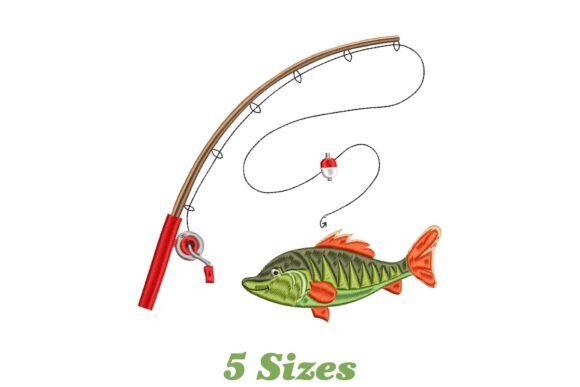
Fish on a Rod Embroidery Design Review
As an embroidery designer who spends weekends navigating the chaos and charm of craft fairs, I have learned that first impressions are everything. When a customer walks up to my booth, they do not read product descriptions. They look at the texture, the color, and the story the item tells in a split second. That is why I always test new designs on actual fabric before committing them to inventory. Recently, I evaluated a design titled Fish on a Rod, which falls into the Camping category. Below is my honest review of how this piece performs as a commercial product for handmade markets.
First Impressions and Visual Appeal
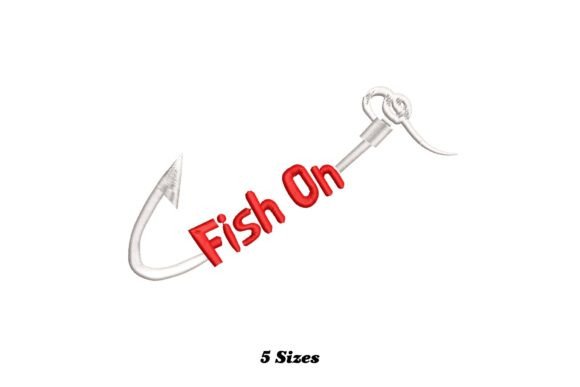
The description promises a "playful" and "whimsical touch," and from a design perspective, that is exactly what it delivers. In a sea of rustic farmhouse florals and minimalist line art, Fish on a Rod stands out because it has personality. It feels approachable and fun without being childish. This makes it incredibly versatile for a wide range of customers.
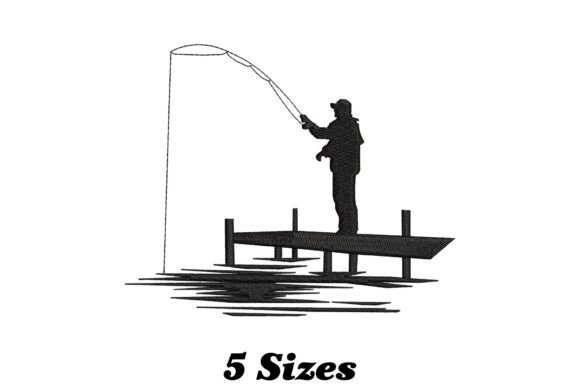
Visually, the design strikes a balance between bold and decorative. It is not so intricate that it becomes muddy when stitched, nor is it so simple that it looks unfinished. The whimsical nature of the fish on the rod suggests movement and humor, which translates well to physical products. When you see it stitched out, the character of the design immediately catches the eye. It feels premium yet accessible, which is the sweet spot for weekend market sales.
Product Applications and Market Fit
For any Etsy seller or small shop product creator, knowing where a design fits is crucial. Here is how Fish on a Rod performs across various items:
- Tote Bags: A classic tote bag design. The playful theme pairs perfectly with canvas or jute. It adds a pop of personality to a utilitarian item, making it an impulse buy for shoppers heading to the beach or grocery store.
- Kitchen Towels: As tea towel embroidery, this design brings a sense of humor to the kitchen. It works well as a focal point on a white or neutral linen towel. Customers love functional decor that sparks conversation.
- Caps and Hats: For apron embroidery or cap designs, the compact nature of many fishing motifs allows for a clean placement on the front panel. It appeals to outdoor enthusiasts and casual wearers alike.
- Patches: If the design includes a border or can be easily bordered, it makes an excellent embroidered patch. Patches are high-margin items that sell quickly at booths because they are low-risk purchases for buyers.
- Home Decor: Pillow covers and small pouches benefit from the whimsical touch. It softens the space and adds a thematic element for those who love the outdoors but want a subtle nod to it in their home.
Production Practicality
From a production standpoint, efficiency is key. A machine embroidery design must be easy to hoop, stitch, and finish to maintain profitability. Fish on a Rod appears to have a structure that allows for straightforward digitizing. However, there are critical factors to consider before mass production.
One of the biggest challenges in embroidery is maintaining clarity at different sizes. You must check the stitch density carefully. If the fish scales or the rod details are too fine, they may disappear when stitched on textured fabrics like terry cloth towels or thick canvas. Always run a test stitch-out to ensure the tiny details remain distinct. If the design relies on thin lines, ensure your thread choice provides enough contrast against the base fabric.
Furthermore, consider the hoop size. A design that is too large may require multiple hooping steps, increasing production time and the risk of misalignment. Ideally, this design should fit comfortably within a standard medium hoop to allow for efficient batch stitching.
Selling Points and Customer Engagement
When displaying your craft fair product, visual storytelling is essential. Fish on a Rod lends itself well to thematic displays. Imagine a booth setup with natural wood accents, dried flowers, and earthy tones. The embroidered items would pop against these backgrounds, drawing customers in.
This design also photographs exceptionally well for online listings. Its playful nature creates engaging images for social media and Etsy. Buyers respond to humor and charm, and this design delivers both. It feels giftable, which increases its appeal for holiday shopping and summer gifts. As a handmade product, it conveys quality and care, justifying a higher price point than mass-produced alternatives.
Designer’s Checklist for Success
Before you start selling, follow these practical steps to ensure your finished product is top-notch:
- Test on Scrap Fabric: Never assume a design will look good on all materials. Test it on the exact fabric you plan to use, including the texture and weight.
- Check Thread Contrast: Ensure the thread colors stand out against the fabric. Dark fish on dark fabric will lose definition.
- Inspect Stitch Density: Look for areas where stitches might overlap too much or leave gaps. Adjust if necessary.
- Use the Right Stabilizer: Proper stabilization prevents puckering, especially on stretchy knits or loose weaves.
- Create Mockups: Make at least one real mockup and take photos. Use these for your printable mockup assets and marketing materials.
- Confirm Licensing: Verify that you have the correct commercial license for the digital embroidery file before selling finished goods.
Final Verdict
Fish on a Rod is a strong contender for any crafter looking to add variety to their inventory. It bridges the gap between niche outdoor themes and general whimsical decor. By paying attention to production details and presenting it effectively, you can turn this simple design into a best-selling item at your next market. Remember, the success of a commercial embroidery product lies not just in the design itself, but in how well it is executed and presented. With careful planning, this design can bring a bit of charm and consistent sales to your business.