Fisherman Embroidery Design Review for Small Business Merch
As an experienced embroidery designer, I spend my days evaluating digital files not just for their aesthetic appeal, but for their viability in commercial production. When a client brings me a new asset like the Fisherman design, my first question is never "Is it pretty?" It is "Will this hold up on a cap? Will it read clearly at one inch? Does it fit our brand voice?" Today, I am reviewing the Fisherman machine embroidery design to determine its suitability for small business merchandise, branded patches, uniforms, and custom apparel projects.
The product description invites us to bring charm to fabrics with a playful, whimsical touch. While that sounds lovely for home decor, we are looking at this through the lens of a boutique owner, an Etsy seller, or a local café manager. We need to know if this embroidered patch can carry the weight of your brand identity while maintaining a professional finish.
First Impressions: Personality and Brand Fit
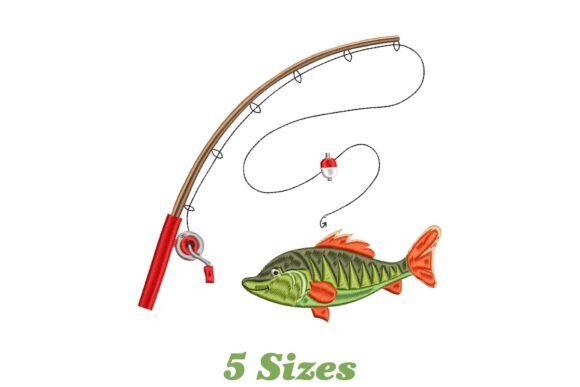
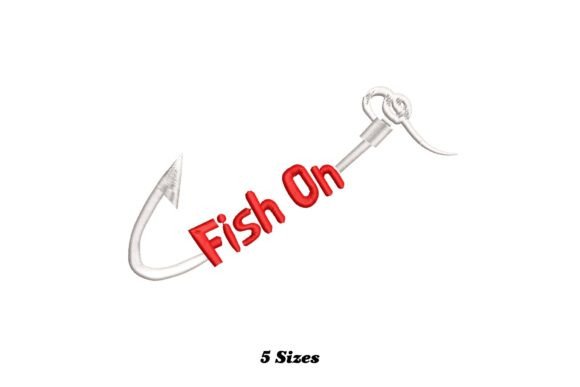
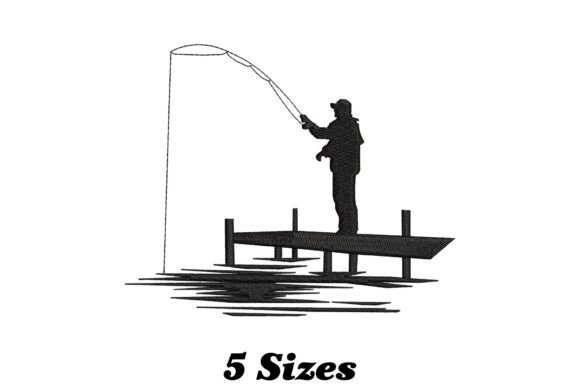
The title "Fisherman" immediately suggests themes of outdoors, coastal living, rustic charm, and perhaps a nod to the Camping category. However, the description emphasizes playfulness and whimsy. This creates a specific visual personality that is friendly rather than ruggedly serious. For a small business, this is a crucial distinction.
If you run a high-end nautical outfitter, this might feel too casual. But if you operate a handmade soap shop, a cozy bakery, a pet brand, or a creative studio that values approachability, Fisherman hits the right note. It feels handmade, warm, and inviting. In the world of small business merch, customers are often buying into the story behind the maker. A design that feels whimsical helps bridge the gap between mass-produced goods and artisanal quality. It signals that your brand has personality and doesn’t take itself too seriously, which is a powerful tool for building customer trust and engagement.
Real-World Applications for Branded Merchandise
Let’s look at how this embroidery file performs when applied to actual products. The versatility of this design allows it to serve multiple roles within a product line.
- Embroidered Patches: One of the strongest use cases for Fisherman is as a standalone patch. Whether sewn onto denim jackets, canvas tote bags, or leather aprons, the whimsical nature of the design stands out against textured fabrics. It works exceptionally well for craft business assets where you want a distinct logo mark that isn’t overly corporate.
- Cap Embroidery: For hat brands or promotional headwear, this design offers a charming accent. If placed on the side panel or as a smaller chest logo, it adds character without overwhelming the wearer. It pairs well with baseball caps for outdoor events or beach-themed promotions.
- Apron Embroidery: For bakeries, florists, or coffee shops, branding staff uniforms is essential. An embroidered logo on an apron screams professionalism mixed with care. Fisherman could work beautifully here, especially if your brand uses natural tones or earthy colors. It reinforces the idea of handcrafted quality.
- Tote Bag Design: Canvas totes are a staple for Etsy branding and event merch. The playful aesthetic of this design translates well to fabric, creating a finished product that customers actually want to reuse. It serves as mobile advertising that feels like a gift rather than an ad.
- Custom Apparel Accents: Beyond full logos, this design can be used as a sleeve detail, a pocket square accent, or even a tag replacement on garments. Its whimsical touch elevates basic white tees or hoodies, increasing the perceived value of the item.
Strategic Considerations and Potential Pitfalls
No design is perfect for every application. As a designer, I must highlight where Fisherman requires careful handling to ensure a premium result.
Size Limitations: Whimsical designs often rely on fine details. If you plan to stitch this at a very small size—such as a tiny label on a garment tag or a miniature patch—the intricate elements may merge together. Always test the design at its intended final size. If the outlines become too thin, the embroidery will look cluttered rather than charming.
Stitch Density and Fabric Texture: High stitch density can make a patch stiff and uncomfortable, especially on delicate fabrics. Conversely, if the design relies on negative space, textured fabrics like heavy wool or boucle might hide the stitches. You must inspect the spacing and confirm the hoop size matches your production needs to avoid distortion.
Color Contrast: Thread colors are critical. On dark uniforms, light threads pop, but they may require a dense underlay that adds bulk. On light fabrics, darker threads provide definition. Ensure you review thread color contrast before committing to a large production run. Poor contrast kills the whimsical effect, making the design look muddy.
Durability and Washing: For items that need frequent washing, such as staff aprons or work shirts, the stability of the embroidery is key. Loose threads or poorly anchored edges can fray. Make sure the digital file is optimized for durability, not just appearance.
Impact on Brand Identity and Professionalism
In the competitive landscape of handmade products and commercial embroidery, visual consistency is everything. Using a cohesive set of design assets helps customers recognize your brand instantly. Fisherman contributes to a brand identity that is approachable, creative, and authentic.
When a customer sees a professionally executed embroidered logo on a tote bag or cap, it subconsciously increases the perceived value of the product. It signals attention to detail. However, if the embroidery looks sloppy due to poor digitizing or incorrect stabilizer use, it damages that trust. Therefore, the execution is just as important as the design itself.
By choosing a design that evokes warmth and playfulness, you are also targeting a specific emotional response. Customers are more likely to engage with brands that feel human and relatable. This embroidery design supports that goal by avoiding cold, geometric rigidity in favor of organic, friendly shapes.
Practical Designer Notes for Production
Before you send Fisherman to the embroidery machine for your next batch of merchandise, follow these essential steps to ensure success:
- Test in Black and White: Convert the design to monochrome to check the balance of positive and negative space. If it loses clarity in black and white, it will struggle in color.
- Create a Printable Mockup: Before stitching, create a mockup for client approval or internal review. This helps visualize how the design sits on the specific product, whether it’s a cap front or a tote bag corner.
- Check Commercial Licensing: Ensure you have the proper rights to use this digital embroidery file for resale. Many designers sell personal-use licenses only. Verify terms before printing merchandise.
- Use Proper Stabilizer: The choice of stabilizer (cut-away vs. tear-away) depends on the fabric. For stretchy knaps or heavy denim, a stable cut-away is usually necessary to prevent puckering.
- Inspect Spacing and Outlines: Zoom in on the digitized file. Are the outlines too close together? Will they blend? Adjusting spacing can significantly improve the readability of small details.
- Confirm Hoop Size: Ensure the design fits within your standard hoops to maximize efficiency and minimize re-hooping errors.
- Test on Real Fabric: Never trust a screen preview alone. Stitch a sample on the actual fabric you plan to use. Check for thread breaks, tension issues, and overall drape.
Final Verdict
The Fisherman embroidery design is a strong candidate for small businesses aiming to project a friendly, artisanal image. It excels in applications like embroidered patches, tote bag design, and apron embroidery where charm and character are paramount. While it requires careful attention to size, contrast, and stabilization, its potential to enhance brand recognition and customer engagement is significant.
For those selling handmade products, custom apparel, or branded gifts, this design offers a versatile tool to elevate your finished product. Just remember to do your due diligence on technical specifications and licensing. When executed correctly, Fisherman isn’t just a stitch pattern; it’s a statement of your brand’s unique personality.