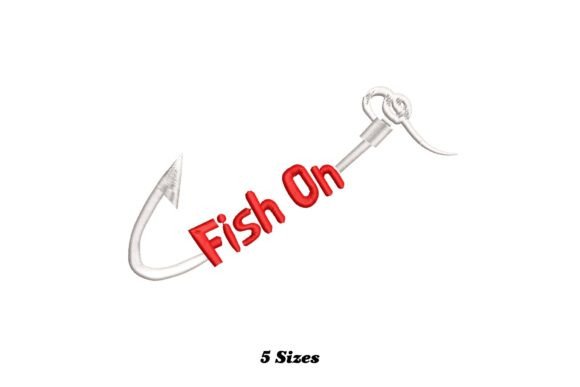
Fish on Hook Embroidery Design Review
As a designer who spends more time staring at stitch patterns than sleeping, I have developed a certain level of skepticism toward digital embroidery files. We are constantly bombarded with promises of "perfect results" and "commercial success," but the reality of machine embroidery is often messier. That is why I approach every new file, including the Fish on Hook design, with a critical eye. This isn't just about whether the file opens correctly in my software; it is about how it translates from pixels to thread, how it holds up on actual garments, and whether it adds genuine value to a handmade product line.
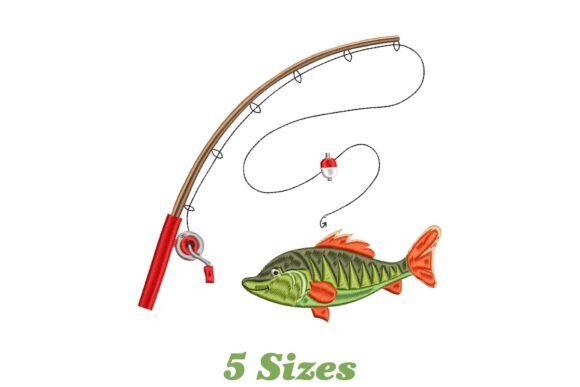
The concept behind this design is straightforward: a playful fish caught on a hook. On the surface, it sounds like a novelty item that might appeal to fishermen or outdoor enthusiasts. However, when you strip away the literal interpretation, what remains is a piece of whimsical art that speaks to charm, humor, and a bit of irreverence. In my experience, designs that balance cute with slightly cheeky tend to perform exceptionally well in the current market for custom apparel and personalized gifts. The mood created by Fish on Hook is lighthearted and fun, making it an excellent candidate for casual wear, home decor, and gift items where a touch of personality is desired.
First Impressions and Visual Personality
When I first loaded the Fish on Hook embroidery file into my digitizing software, my immediate assessment focused on the visual hierarchy and detail level. The design features a central figure—the fish—which naturally draws the eye. The hook acts as a framing element, providing structure to the composition. From a design perspective, this balance is crucial. If the hook were too dominant, it would overshadow the character of the fish; if the fish were too complex, the small scale of many embroidery projects would lose the detail.
The aesthetic leans heavily into a hand-drawn, illustrative style. This is significant because it suggests that the design will age well. Trends in graphic design come and go, but simple, charming illustrations have a timeless quality. For Etsy sellers and small shop owners, this is a key consideration. You want products that remain appealing year after year, rather than feeling dated after a single season. The whimsical touch of the fish gives it a universal appeal that transcends specific demographics, making it suitable for everything from a child’s nursery decor to a quirky kitchen towel for a hostess gift.
Real-World Application: The Tote Bag Scenario
To truly evaluate any machine embroidery design, I believe you must imagine it in context. Let’s consider a real-life scenario: preparing a batch of custom embroidered tote bags for a local craft fair or an online craft business store. These bags are often made of sturdy canvas or cotton duck, materials that can handle embroidery well but require careful attention to tension and stabilizer choice.
Placing the Fish on Hook design on the front center of a natural canvas tote bag creates an instant focal point. The contrast between the rustic texture of the fabric and the smooth, colorful threads of the embroidery enhances the overall look. Customers walking through a market stall are drawn to items that tell a story or make them smile. This design does exactly that. It invites conversation. A buyer might pick up the bag not just for its utility, but because they appreciate the humor and charm of the artwork. This emotional connection is what drives sales in the handmade product sector.
Furthermore, this design works beautifully for personalized gift scenarios. Imagine a father-daughter set of matching totes, or a group of friends gifting a themed bag for a fishing trip. The versatility of the Fish on Hook motif allows it to be adapted into various product lines without losing its core identity. It fits seamlessly into categories such as custom apparel, embroidered patch collections, and even holiday embroidery themes where quirky, non-traditional gifts are popular.
Performance Across Different Materials and Projects
While the tote bag is a strong use case, the Fish on Hook design proves adaptable across a wide range of mediums. Here is how it performs in different practical situations:
- Sweatshirt Embroidery: On the chest of a crewneck sweatshirt, the design offers a subtle yet distinct branding opportunity. It works particularly well for boutique clothing lines that aim for a cozy, rustic vibe. The fill stitches typically used for the fish body provide good coverage, hiding minor imperfections in the underlying fabric.
- Baby Embroidery: For onesies or burp cloths, the playful nature of the fish is endearing. However, care must be taken regarding placement. A smaller hoop size is often required here, which means checking that the fine details of the hook and eyes remain visible and do not merge together.
- Kitchen Towels and Aprons: These are high-turnover items that see frequent washing. The durability of the stitch pattern is tested here. Designs with dense satin stitches around the edges tend to hold up better against abrasion and heat. The Fish on Hook layout, with its open spaces, allows for breathability in the stitching, reducing puckering on thin cotton towels.
- Holiday Gifts: During the winter holidays, novelty items sell well. This design can easily be re-themed with seasonal thread colors—perhaps using reds and greens for Christmas, or oranges and blacks for Halloween—while keeping the base vector intact. This adaptability makes it a valuable asset for digital embroidery file creators looking to expand their catalog.
Areas Requiring Caution and Technical Adjustment
No design is without its challenges, and being honest about these limitations is part of responsible design review. There are specific contexts where the Fish on Hook embroidery file requires careful handling to ensure a professional finish.
First, consider small hoop sizes. If you attempt to stitch this design on a very small area, such as the cuff of a sleeve or a tiny pocket square, the intricate details may become muddy. Satin stitches that are meant to be crisp can merge if the pixel density is too high for the available space. Always test on scrap fabric before committing to the final product.
Second, textured fabrics pose a risk. While canvas looks great, highly textured materials like bouclé or heavy tweed can distort the shape of the fish. The needle penetration becomes uneven, leading to skipped stitches or misaligned elements. Similarly, stretchy fabrics like jersey knit require robust stabilizers to prevent the design from warping during and after stitching. Without proper support, the circular motion of the embroidery head can stretch the fabric out of alignment.
Additionally, dark fabric presents a contrast challenge. If the design relies on light-colored threads for definition, stitching it on black or navy fabric might result in low visibility. Conversely, using white thread on light fabric can disappear entirely. Thoughtful thread color selection is paramount. I recommend creating a printable mockup or doing a physical sample with the exact threads you plan to use to verify contrast levels.
Another technical consideration is stitch density. If the original digitization has overly dense fill areas, the resulting fabric may become stiff and uncomfortable, especially on custom apparel like t-shirts. A stiff embroidered patch on a soft tee can feel cheap. Ensure the design uses appropriate underlay stitches to stabilize the fabric without adding unnecessary bulk.
Practical Designer Notes for Success
Before integrating the Fish on Hook design into your production workflow, I strongly advise following these practical steps to protect your reputation and ensure customer satisfaction.
- Test on Scrap Fabric: Never assume a design will work perfectly on your target material. Run a test stitch on a scrap piece of the same fabric type, weight, and color.
- Check Thread Contrast: Evaluate the design in black and white mode within your software. This helps identify areas where the thread colors might blend together, causing loss of detail.
- Inspect Small Details: Zoom in on the eyes of the fish and the barb of the hook. Are these details clear? Will they survive multiple wash cycles? If the details are too fragile, consider simplifying the design or adjusting the stitch type.
- Confirm Hoop Size: Verify that the design dimensions fit comfortably within your machine’s standard hoops. Trying to trim a design down digitally can alter the proportions and ruin the aesthetic.
- Review Licensing: If you plan to sell finished products, confirm the licensing terms of the machine embroidery design. Some files are for personal use only, while others allow commercial sales of limited quantities. Clear licensing prevents legal issues down the road.
- Use Proper Stabilizer: The right stabilizer is invisible until something goes wrong. Use cut-away stabilizer for woven fabrics and tear-away for non-wovens, ensuring the backing supports the stitch density appropriately.
Final Verdict on Value and Appeal
The Fish on Hook design succeeds because it balances simplicity with character. It is not trying to be a masterpiece of realism; it is aiming for charm, and it achieves that goal effectively. For creative entrepreneurs and makers, this design offers a reliable foundation for building a cohesive brand identity. Whether used on a tote bag design, a sweatshirt embroidery project, or a nursery decor item, it brings a sense of joy and whimsy that customers respond to positively.
Its applicability spans across home decor, apparel decoration, and giftware, making it a versatile addition to any digital library. The key to maximizing its potential lies in thoughtful execution. By paying attention to fabric choice, thread selection, and technical setup, you can transform a simple digital file into a premium finished product that stands out in a crowded marketplace.
In summary, Fish on Hook is a solid, commercially viable design that rewards careful craftsmanship. It is best suited for projects where a fun, approachable aesthetic is desired. Avoid using it on highly technical or formal garments where it might feel out of place. Instead, embrace its playful nature and let it shine on products that celebrate creativity, humor, and the handmade spirit. With proper testing and attention to detail, this design can help you create memorable items that customers love to wear, use, and gift.