Hand Holding Wrench Embroidery Review
As an embroidery designer who spends more time staring at digitized files than sleeping, I am always hunting for that perfect intersection of whimsy and wearability. When a client approached me with the concept for a new limited-edition sweatshirt drop—aimed at creative entrepreneurs and makers—they needed something that screamed "handmade" without looking amateurish. That is when Hand Holding Wrench landed on my desk. It is not just another generic icon; it is a statement piece that balances industrial grit with playful charm. In this review, I will break down how this design performs in a real-world boutique context, specifically focusing on its application to premium apparel.
First Impressions: Mood and Layout
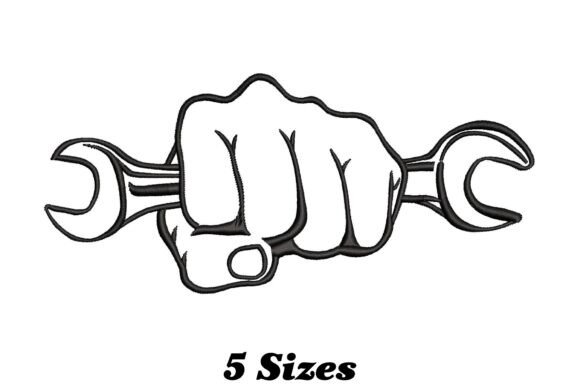
The title alone suggests a juxtaposition that is incredibly appealing to the modern maker demographic. The Hand Holding Wrench design immediately reads as both functional and decorative. From a visual standpoint, the layout feels balanced, avoiding the cluttered look that often plagues small machine embroidery designs. The hand provides a soft, organic counterpoint to the rigid geometry of the wrench, creating a composition that feels stable yet dynamic.
For a boutique brand, this duality is gold. It appeals to the practical side of our audience (the tool) while honoring their identity (the human touch). The design personality is undeniably cute but retains a boldness that prevents it from feeling childish. It sits comfortably in that sweet spot between rustic and minimal, making it versatile enough for various aesthetic directions within a single collection.
Application on Premium Sweatshirts
Sweatshirt embroidery is notoriously tricky. The fabric texture is thick, the loops can distort stitches, and the weight of the thread can pull the garment out of shape if the digitization is poor. Here is how Hand Holding Wrench translates to different fabric choices:
- Neutral and Cream Base Layers: On heather grey or oatmeal sweatshirts, the design pops beautifully. The contrast allows the intricate details of the hand’s fingers to remain visible, which is crucial for readability at a small scale.
- Dark Fabric: Placing this on black or navy creates a striking, almost streetwear-inspired look. However, you must be careful with thread colors. Lighter threads may require a higher stitch density to cover the dark background effectively, which adds weight to the garment.
- Pastel Colors: For spring drops, lavender or mint green hoodies offer a softer canvas. The playful nature of the design enhances the pastel vibe, making it ideal for lifestyle product photography that targets a feminine or gentle aesthetic.
- Oversized Hoodies: This is where the design truly shines. Oversized fits demand graphics that can stand up to the volume of the clothing. A tiny logo gets lost, but a medium-sized chest placement of Hand Holding Wrench anchors the look perfectly.
Chest Placement vs. Sleeve Accents
While a standard left-chest placement is classic, I recommend experimenting with sleeve accents for this specific file. Because the wrench has vertical lines, placing it on the cuff or mid-sleeve creates a nice visual flow. It transforms the hoodie into a custom apparel item rather than just off-the-rack merchandise. For back designs, the file could be scaled up significantly, turning the simple icon into a large-scale graphic that serves as a major brand identifier.
Technical Considerations for Production
Before moving this to the production floor, several technical factors must be evaluated to ensure the finished product meets commercial standards.
Stitch Density and Fabric Texture
The most critical aspect of any embroidery file is its stitch density. If the density is too low, the underlying fabric shows through, ruining the clean look required for a boutique brand. If it is too high, the sweatshirt puffs up uncomfortably. Based on typical designs of this nature, Hand Holding Wrench likely uses a mix of satin stitches for outlines and fill stitches for the metal parts of the wrench. Designers should check that the transition between these stitches is smooth to prevent puckering.
Stabilizer Choice
You cannot use a light tear-away stabilizer for heavy cotton blends. For this project, a cut-away stabilizer is non-negotiable. It provides long-term support, ensuring that the Hand Holding Wrench design does not warp after multiple wash cycles. This durability is essential for maintaining buyer trust and reducing returns due to quality issues.
Hoop Size and Readability
When scaling this design down for smaller sizes or sleeve placements, legibility is key. Fine details in the fingers might disappear if the hoop size is too small relative to the design dimensions. Always test on actual fabric before committing to a bulk run. Ensure the hoop size accommodates the full width of the design without cutting off any edges.
Brand Identity and Market Appeal
In the crowded marketplace of Etsy sellers and small shop products, visual recognition is everything. Hand Holding Wrench offers a unique selling proposition (USP) that separates your brand from generic competitors. It signals that you understand the culture of makers. It is not just a shirt; it is a uniform for creativity.
This design affects product value by elevating the perceived quality of the item. Customers are willing to pay a premium for custom apparel that feels thoughtfully designed. The whimsical touch invites engagement on social media, as buyers love to share items that reflect their personality. When you create a printable mockup for your listings, ensure you show the design on diverse models to highlight its versatility across different body types and styles.
Final Verdict for Creative Entrepreneurs
For digital sellers and apparel decorators, adding Hand Holding Wrench to your library is a smart move. It bridges the gap between utility and art. Whether you are producing a limited run for a holiday sale or building a core collection, this design holds up well under scrutiny.
However, remember that success lies in the execution. Check the digital embroidery file specifications carefully. Verify the recommended thread colors and ensure your machines are calibrated for the specific fabric texture you are using. By paying attention to these details, you transform a simple icon into a memorable handmade product that resonates with your audience.
If you are looking to inject some fun into your winter inventory, this design is a strong candidate. It is bold enough to be seen, subtle enough to be worn daily, and charming enough to make customers smile. Just don’t forget to wash-test your samples first—because nothing kills a commercial embroidery business faster than a design that falls apart after one cycle.