Stethoscope Heart Embroidery Review
In the world of small business merch and branded merchandise, visual storytelling is everything. As an experienced embroidery designer, I spend my days evaluating how digital files translate into tangible products. Today, I am reviewing a design that sits at the intersection of healthcare professionalism and heartfelt emotion: Stethoscope Caressing the Heart s Canvas. This piece is not just a decorative element; it is a narrative tool for brands that want to communicate care, precision, and compassion.
This review focuses on practical application for embroidery shops, apparel decorators, Etsy sellers, and creative studios. We will explore how this machine embroidery design performs as an embroidered patch, a uniform accent, or a premium product label.
First Impressions and Visual Personality
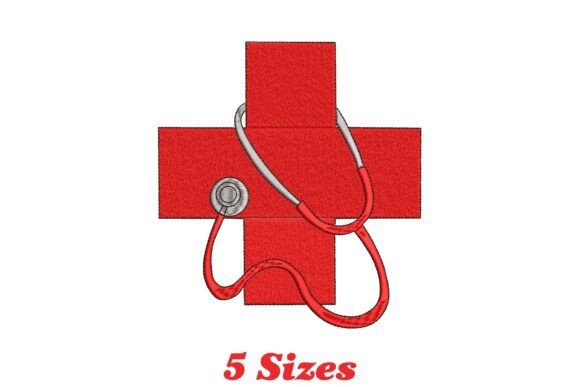
When you first load the embroidery file into your digitizing software, the immediate takeaway from Stethoscope Caressing the Heart s Canvas is its balance of elegance and approachability. The concept—a beautiful red heart with a stethoscope draped across it—is instantly recognizable. It symbolizes the connection between healthcare and love, making it a powerful symbol for any brand rooted in wellness, nursing, medical aesthetics, or holistic care.
The design feels professional yet friendly. It avoids being overly clinical or sterile, which is crucial for businesses aiming to build customer trust through warmth. Whether used on a boutique t-shirt, a baker’s apron, or a pet brand’s tote bag, the imagery suggests dedication. It reads as handmade and premium, elevating the perceived value of the finished product. For small business owners, this visual personality helps bridge the gap between corporate reliability and artisanal charm.
Real-World Business Applications
One of the most valuable aspects of this design is its versatility across various commercial embroidery projects. Here is how it translates in real-world scenarios:
- Embroidered Patches: This design works exceptionally well as a chest logo accent or a sleeve detail. When digitized as an embroidered patch, the clean lines of the stethoscope provide a strong focal point against the organic shape of the heart. It is ideal for staff uniforms in clinics, therapy centers, or even creative studios that offer wellness services.
- Apron Embroidery: For cafes, bakeries, or florists who want to signal care and attention to detail, placing this design on the breast pocket of a custom apron adds a touch of sophistication. It transforms a standard work garment into a branded asset that customers notice.
- Cap Embroidery: The compact nature of the heart and stethoscope motif makes it suitable for cap fronts. However, size matters here. On a structured baseball cap, it serves as a subtle mark of identity rather than a loud statement, perfect for medical professionals or health-conscious influencers.
- Tote Bag Design: As a tote bag mark, this design appeals to the gift-giving market. It makes for a thoughtful customer gift or event merch item. The symbolism resonates with buyers looking for meaningful handmade products, increasing buyer engagement and social media shares.
- Product Packaging Accents: Beyond apparel, this digital embroidery file can be printed on labels sewn onto product packaging. For brands selling wellness kits, spa items, or care packages, it reinforces brand identity before the product is even opened.
Strategic Brand Identity Impact
Using Stethoscope Caressing the Heart s Canvas affects more than just aesthetics; it influences brand perception. In a crowded marketplace, consistency is key. This design offers visual consistency that aligns with values of empathy and expertise.
For Etsy sellers and craft business assets, using such a specific, symbolic design helps in niche marketing. It signals to the right audience—those who value health, care, and quality—that this brand understands their needs. It enhances professionalism by showing that the business invests in high-quality design assets rather than generic clipart. Furthermore, it boosts product value; customers are often willing to pay a premium for items that feel personally crafted and emotionally resonant.
Where to Use Carefully
While this design is versatile, there are specific contexts where caution is required. Not every surface is suitable for every level of detail.
- Small Patch Sizes: If you plan to produce tiny patches (under 2 inches), ensure the digitizer has simplified the details enough. Fine outlines may merge together, losing the definition of the stethoscope tubing.
- Curved Surfaces: When applying to curved surfaces like hats or rounded bottle sleeves, the flat geometry of the heart might distort if not properly stabilized. Always test on the actual curvature.
- High Stitch Density: Check the stitch density carefully. If the heart fill is too dense, it can make the fabric stiff and uncomfortable, especially on lightweight tees or breathable work shirts. A lighter fill pattern often yields a softer, more premium hand-feel.
- Dark Uniforms: Contrast is critical. On dark uniforms, the red heart must be vibrant enough to stand out. Ensure your thread colors are selected for maximum visibility against the base fabric texture.
- Frequent Washing: For items that undergo frequent industrial washing, such as hospital scrubs or heavy-duty aprons, verify the stability of the satin stitches. Loose threads can fray over time, diminishing the professional look.
Practical Designer Notes for Production
To ensure Stethoscope Caressing the Heart s Canvas delivers a flawless result, follow these essential steps before committing to bulk production:
- Test in Black and White: Convert the design to monochrome in your software. This reveals whether the structure holds up without relying on color contrast. If the shapes blend together in grayscale, the design lacks sufficient separation.
- Check Small Scale Legibility: Zoom out to simulate a small patch size. Can you still distinguish the stethoscope earpieces from the heart outline? If not, simplify the digitization.
- Review Thread Color Contrast: Select thread colors that pop against your target fabric. A deep burgundy heart on black may look elegant but could disappear in low light. Brighter reds or contrasting tones often perform better for brand recognition.
- Inspect Spacing: Look closely at the negative space within the heart. Is there enough room for the stabilizer to support the stitches without puckering the fabric?
- Confirm Hoop Size: Ensure your embroidery machine’s hoop can accommodate the full design area. If the design is large, you may need to rehoop, which risks alignment errors.
- Test on Real Fabric: Never rely solely on screen previews. Stitch the design on the exact fabric type you plan to sell. Observe how the fabric texture interacts with the thread. Does it pucker? Does it shine appropriately?
- Use Proper Stabilizer: The choice of stabilizer (cut-away vs. tear-away) significantly impacts durability. For stretchy knits or heavy denim, a cut-away stabilizer is usually necessary to prevent distortion.
- Create a Printable Mockup: Before producing physical samples, create a printable mockup for client approval. This allows stakeholders to visualize the finished product in context.
- Compare Side-by-Side: Place this design beside other design assets in your collection. Does it fit the overall aesthetic? Consistency strengthens brand identity.
- Confirm Commercial Licensing: Finally, always confirm commercial licensing terms. Just because you own the file does not mean you have the right to resell products featuring it. Ensure you are protected for business use.
Final Verdict
Stethoscope Caressing the Heart s Canvas is a compelling addition to any library of machine embroidery designs. Its emotional resonance and professional appearance make it suitable for a wide range of industries, from healthcare to lifestyle brands. By paying attention to technical details like stitch density, fabric choice, and licensing, small business owners can leverage this design to create memorable, high-value merchandise that truly connects with their audience.